
Carnaxide 2


Apartment T2
Structure: Reinforced concrete
Decade of construction: 90
Intervention: Interiors Design,
Management and Execution
Work: Full refurbishment
Used Materials
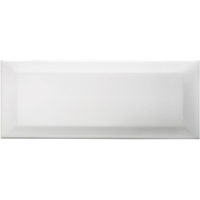
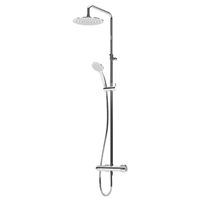
Our intervention
This is a 2-bedroom apartment, part of a relatively recent apartment block in the Carnaxide area, in its original state, which has undergone a complete renovation.
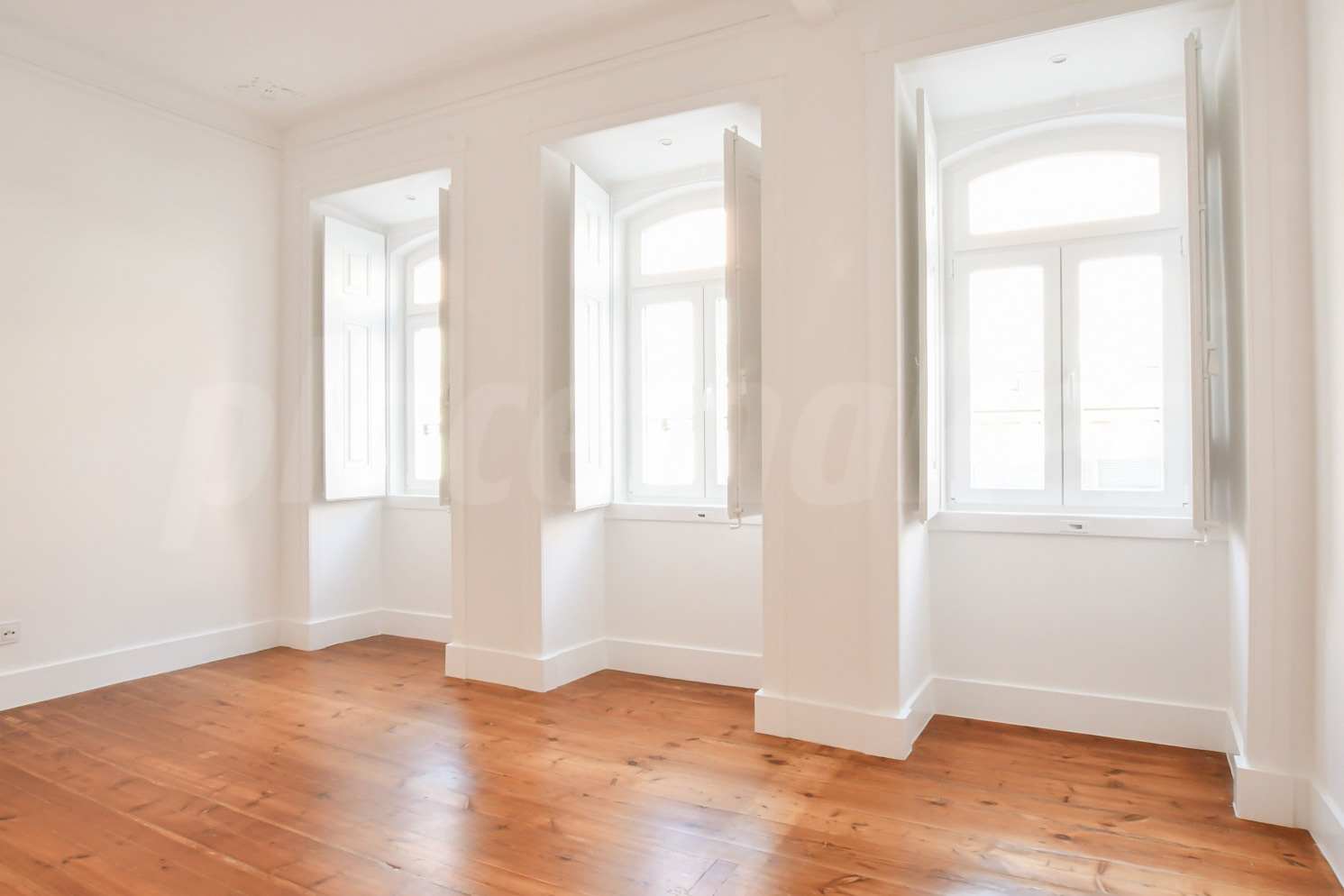
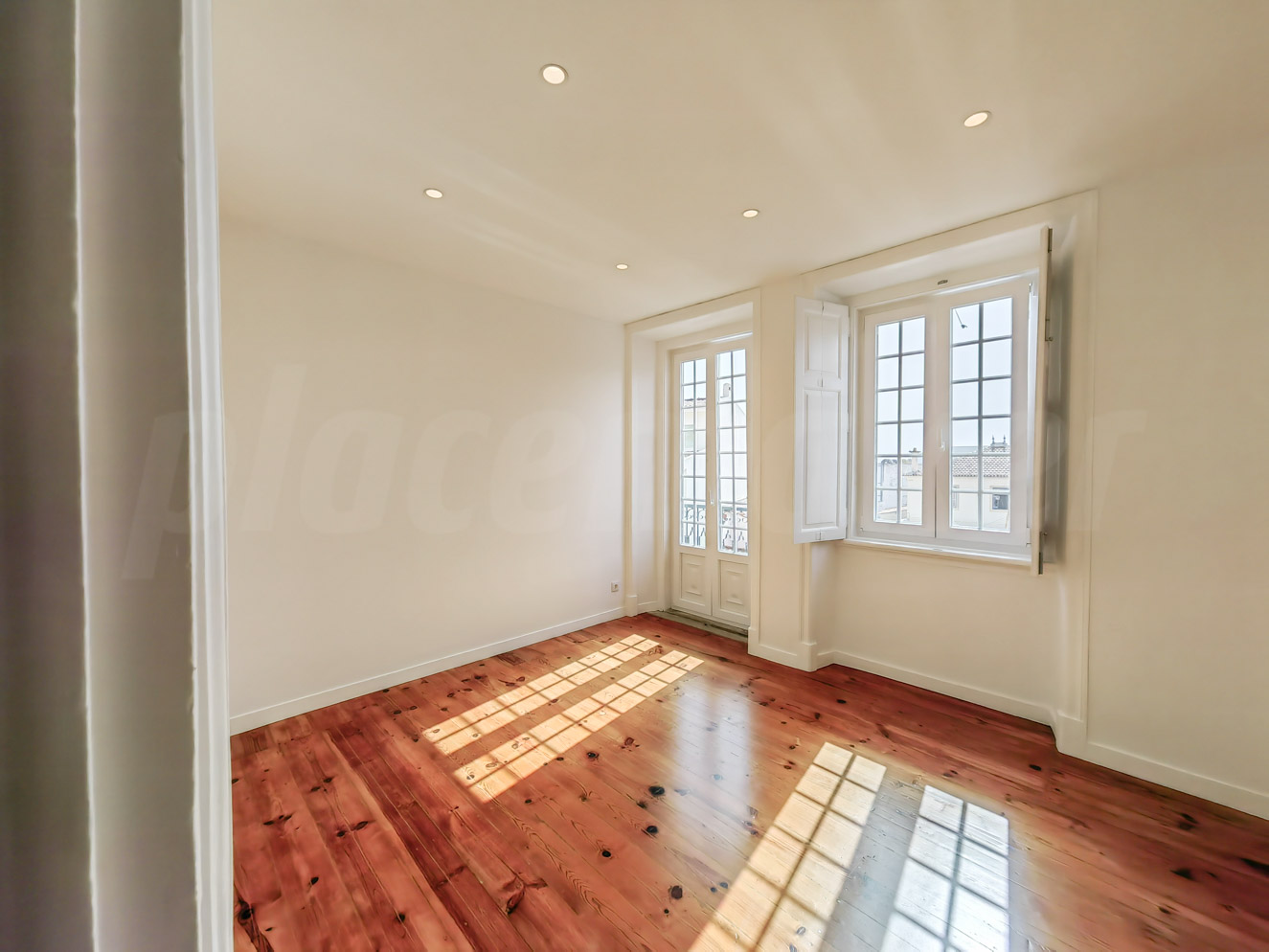
Being a 5th-floor apartment in an area of the city dominated by tall buildings, the biggest challenge of this project was finding a solution that would bring more light into the space.
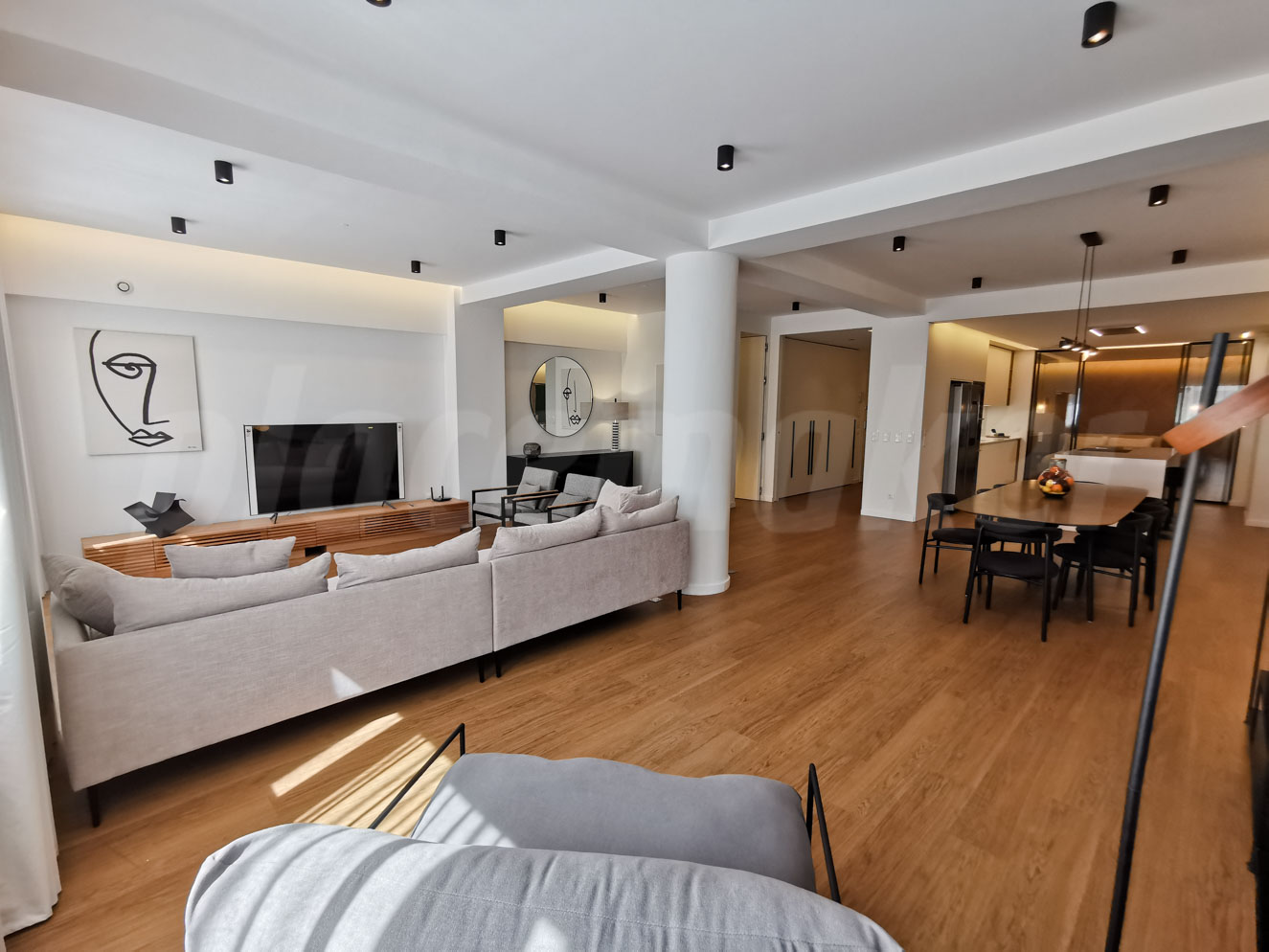
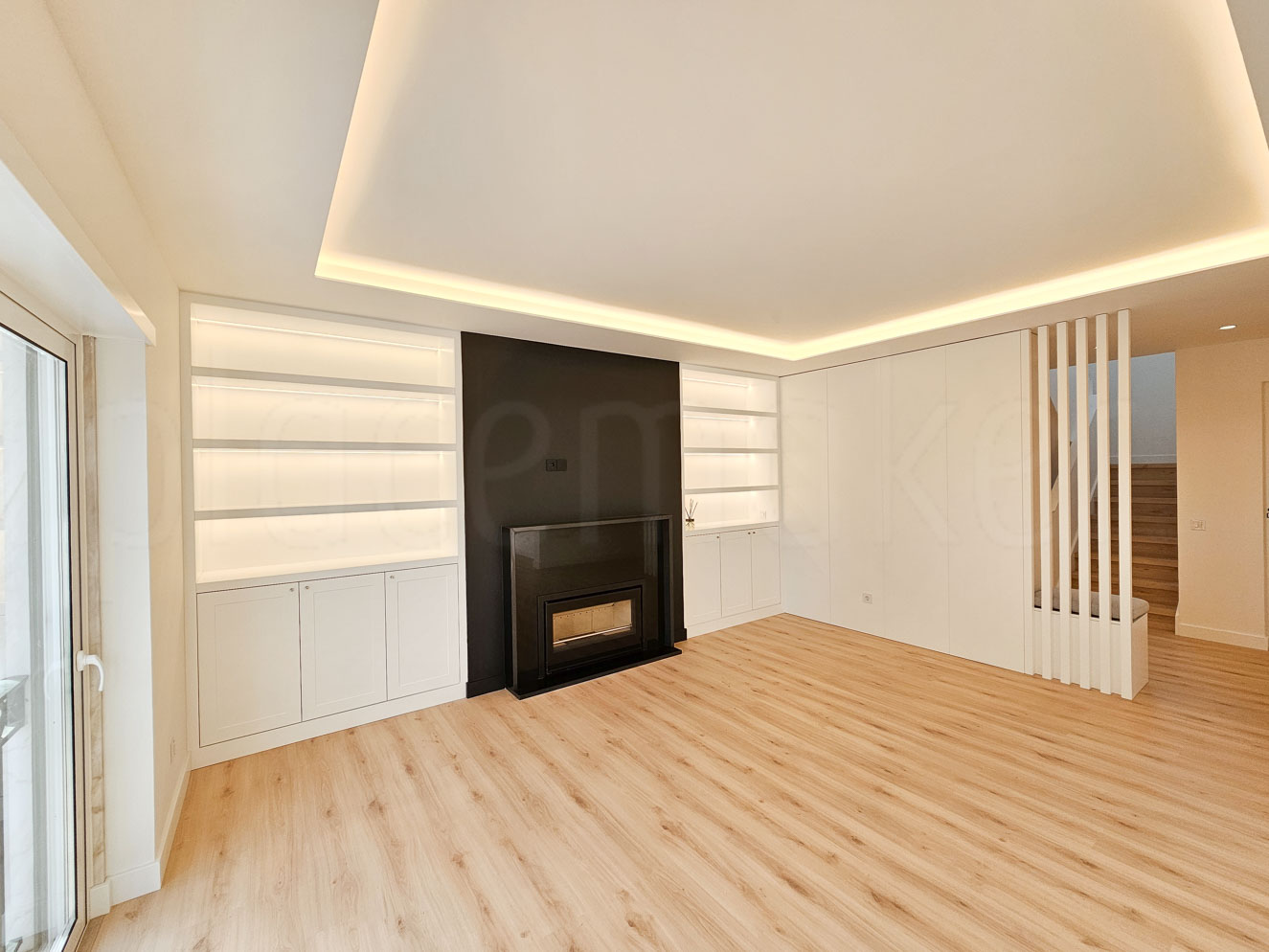
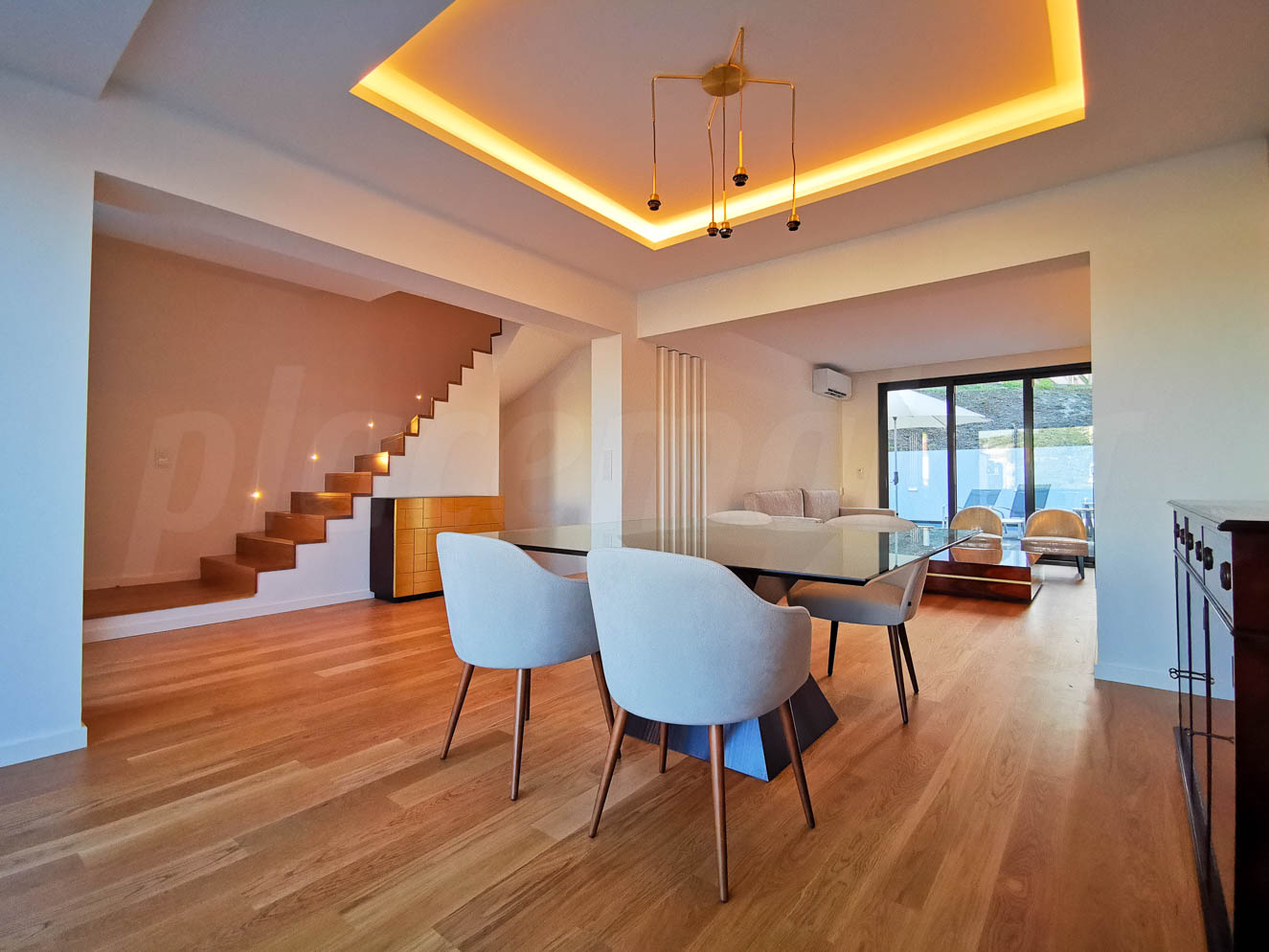
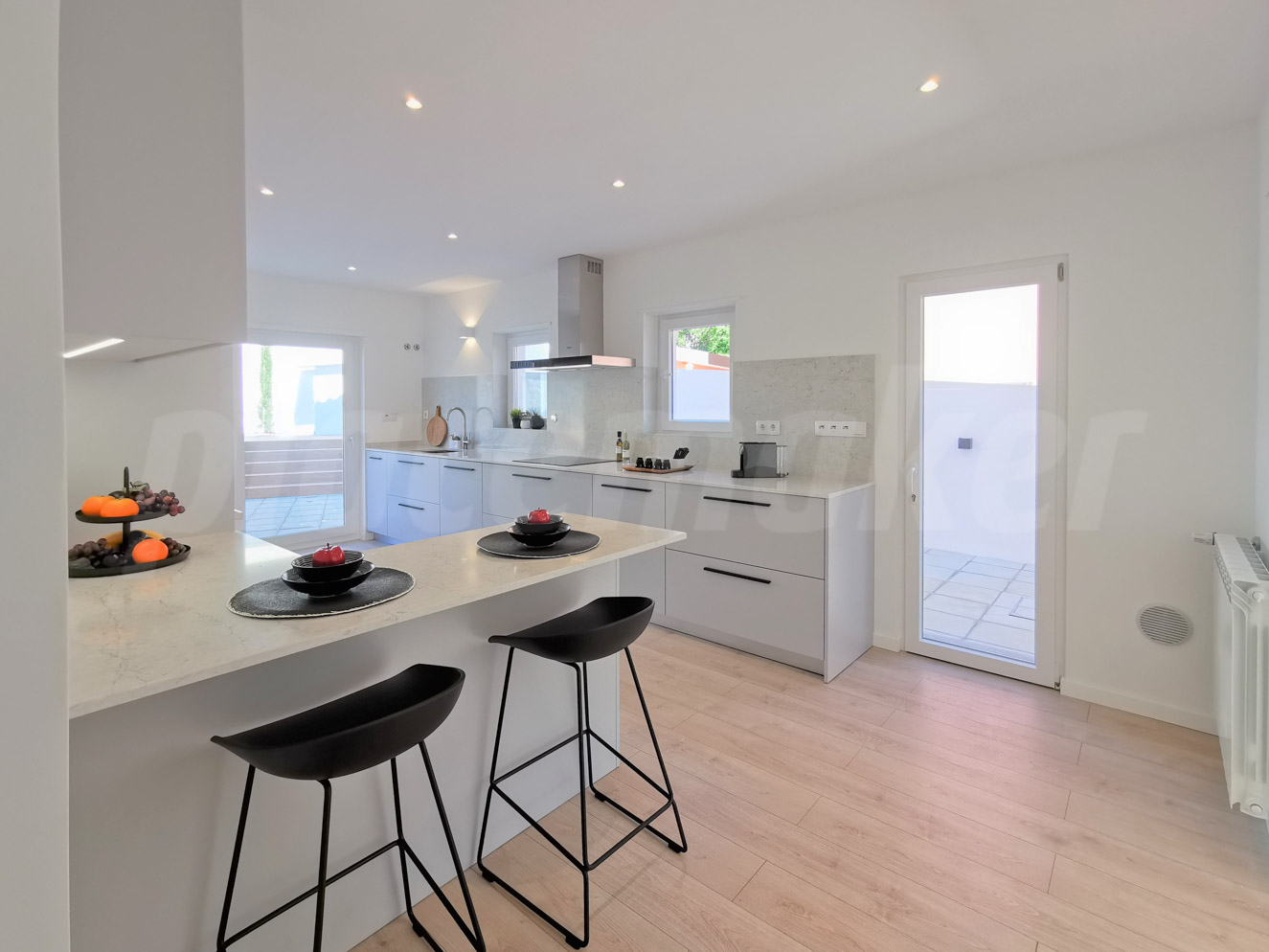
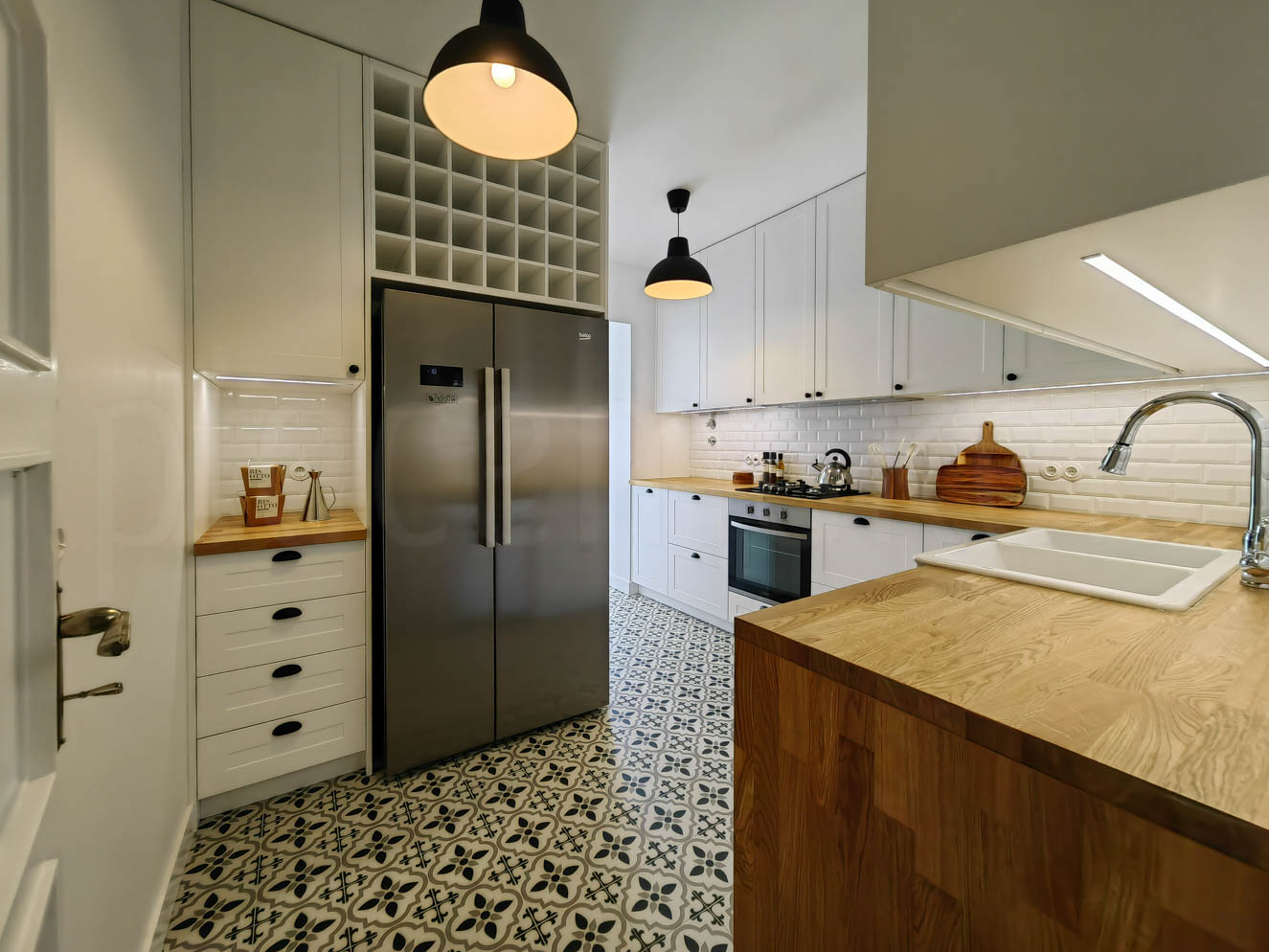
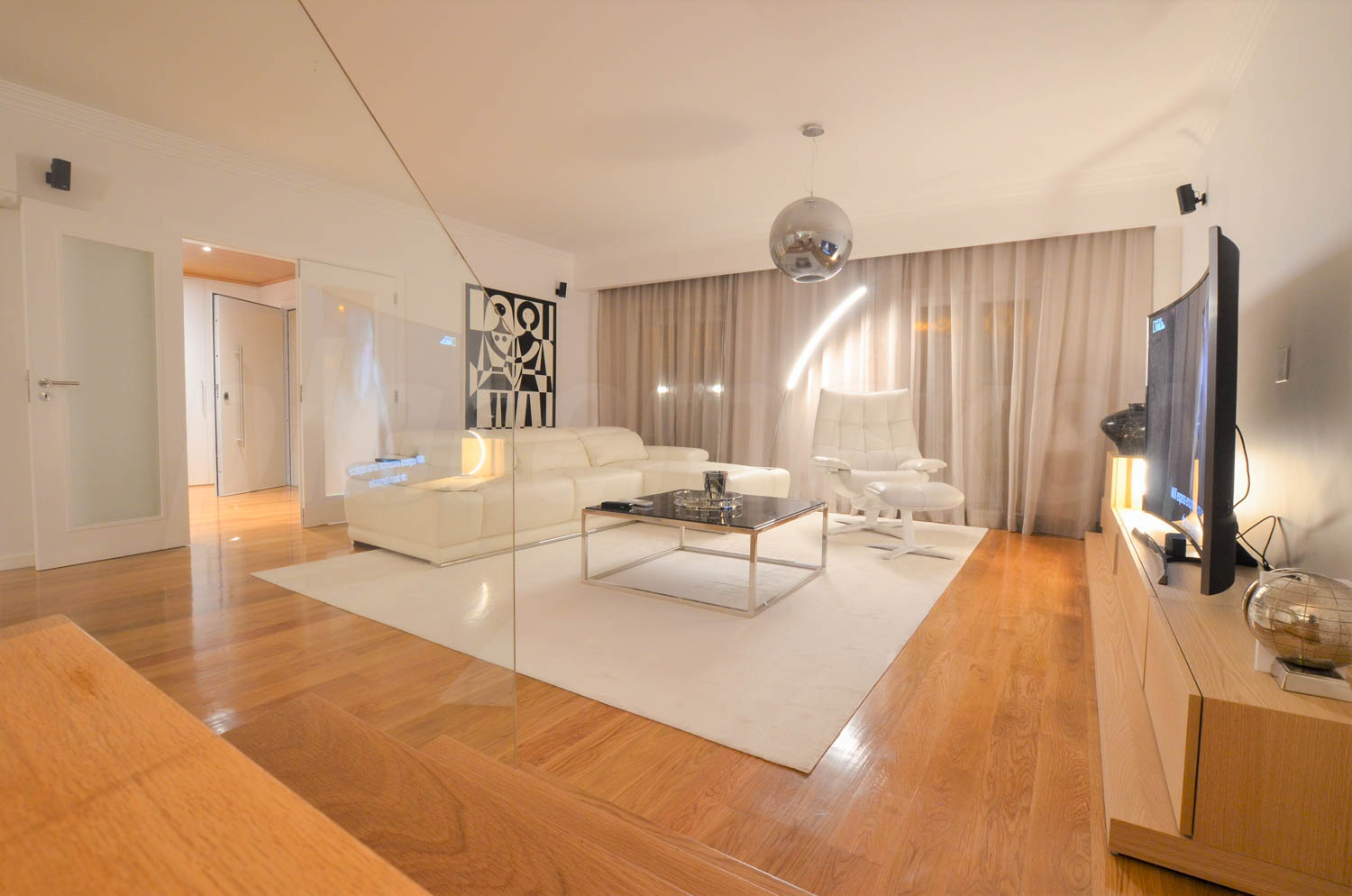
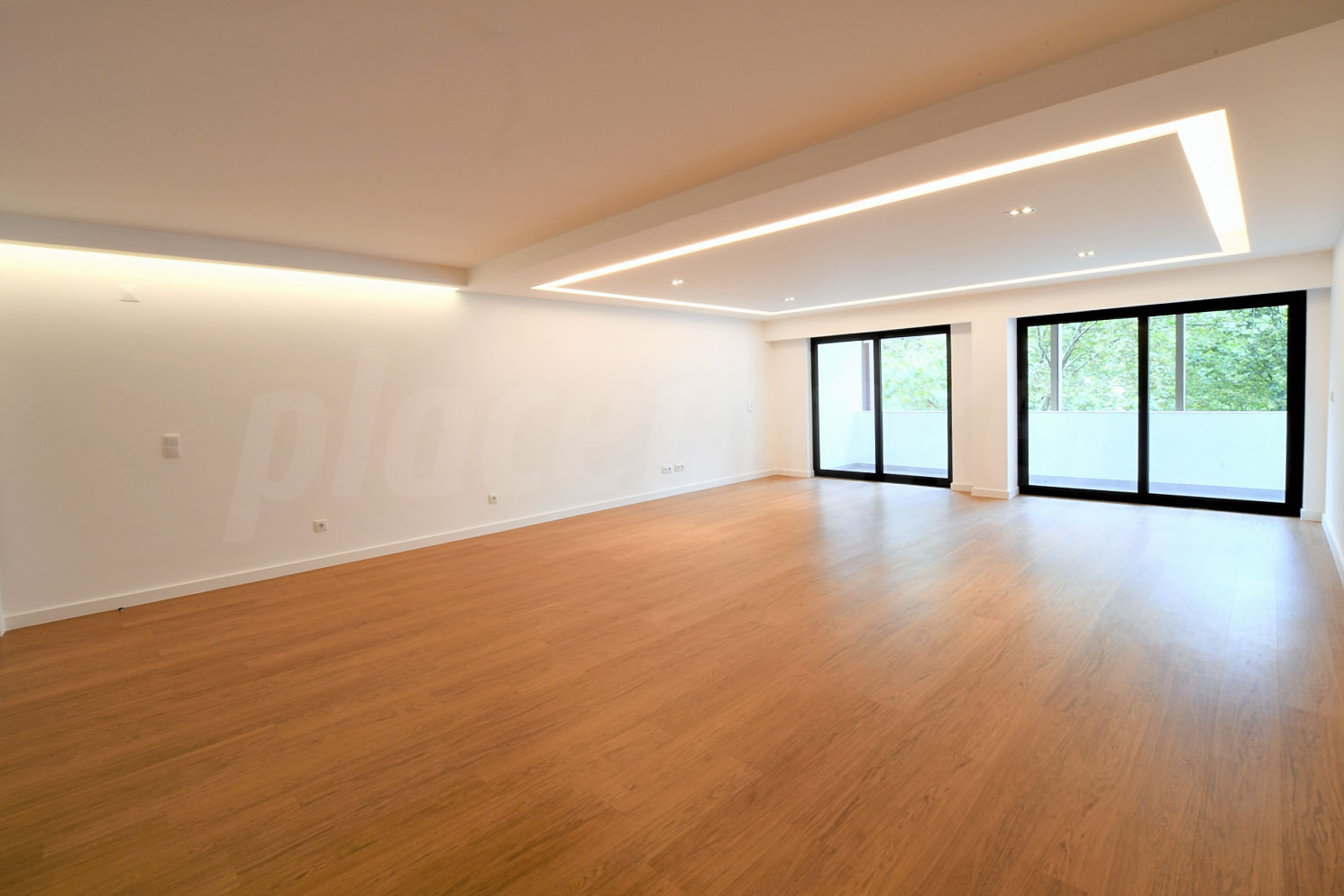
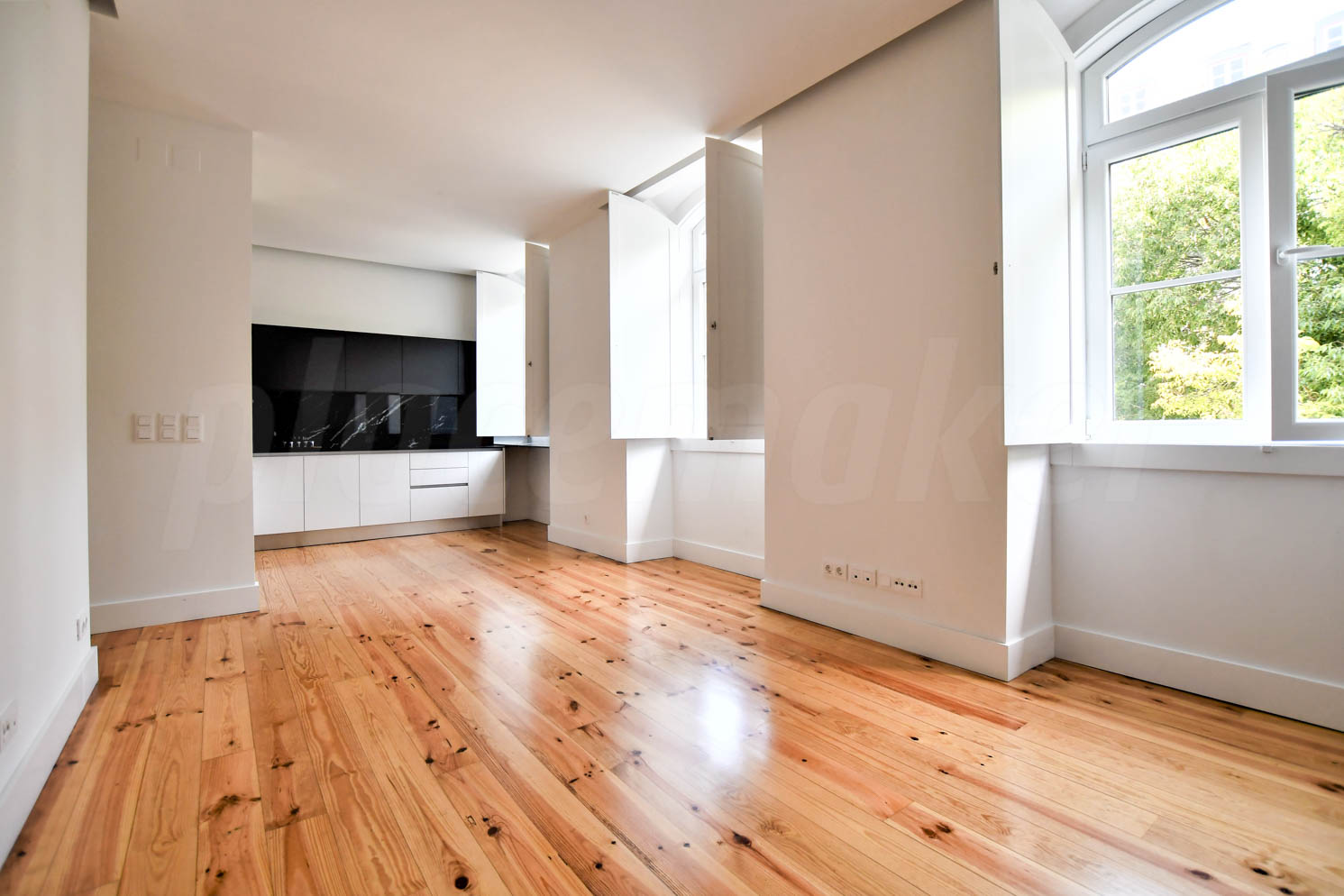
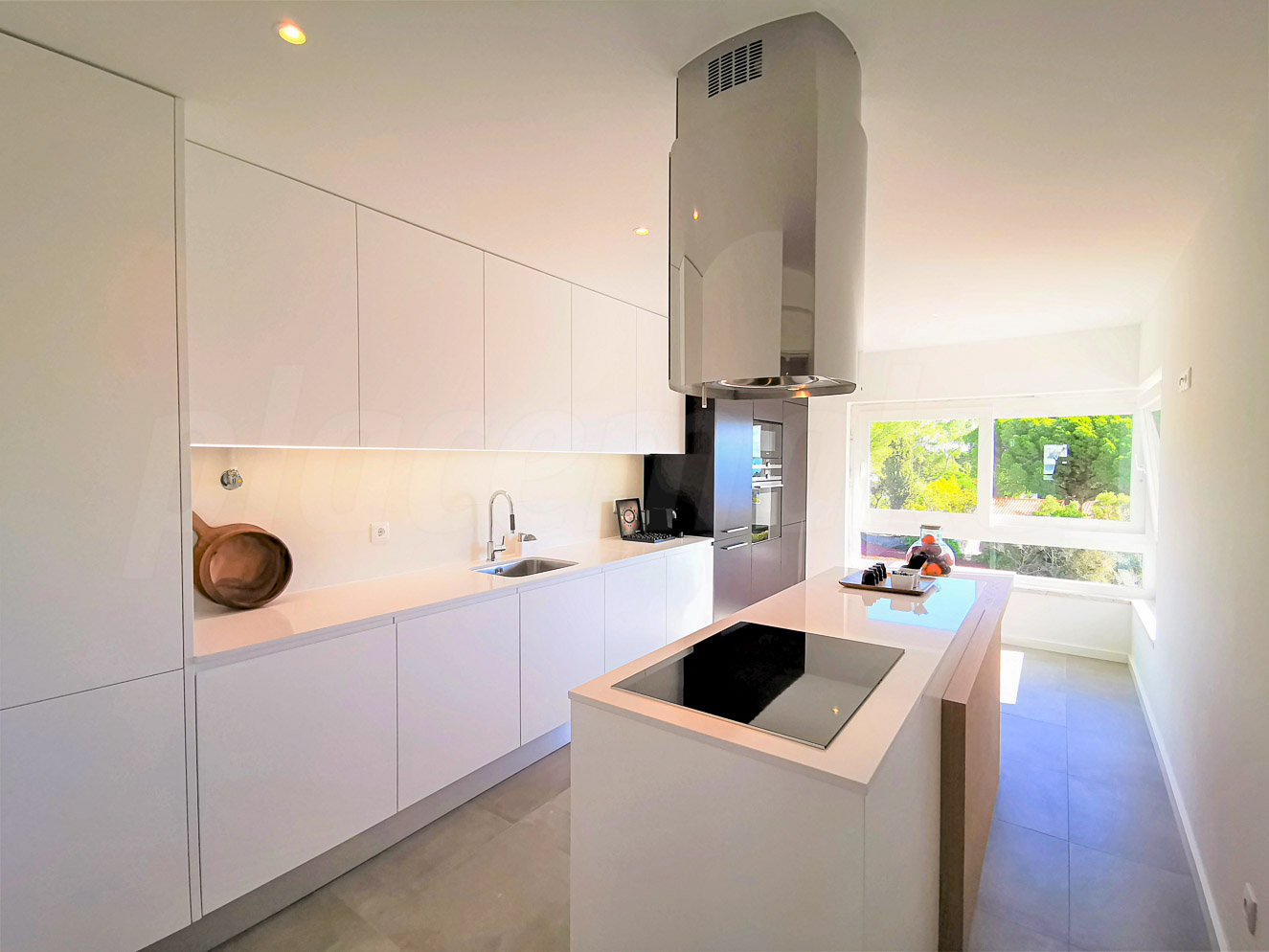
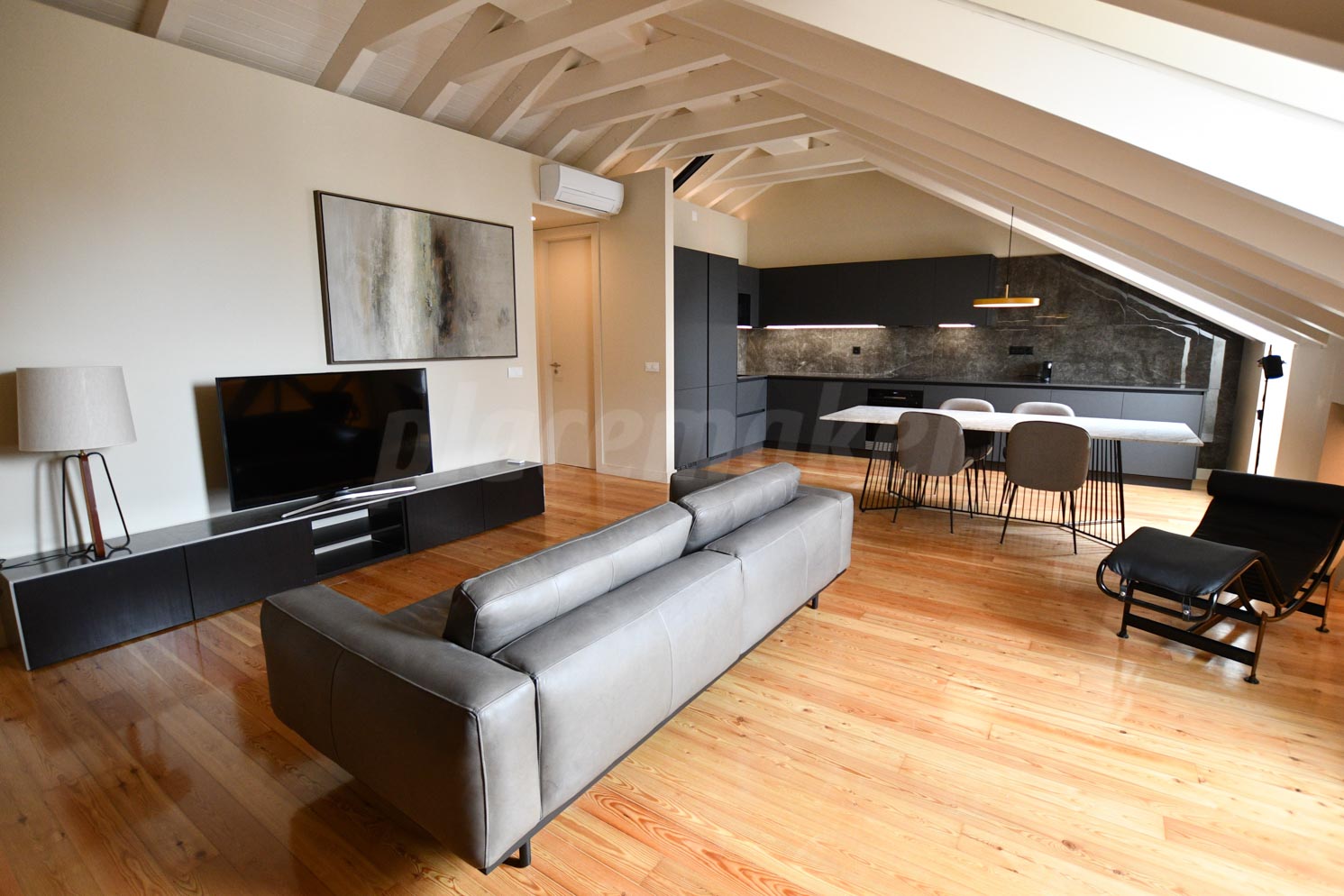
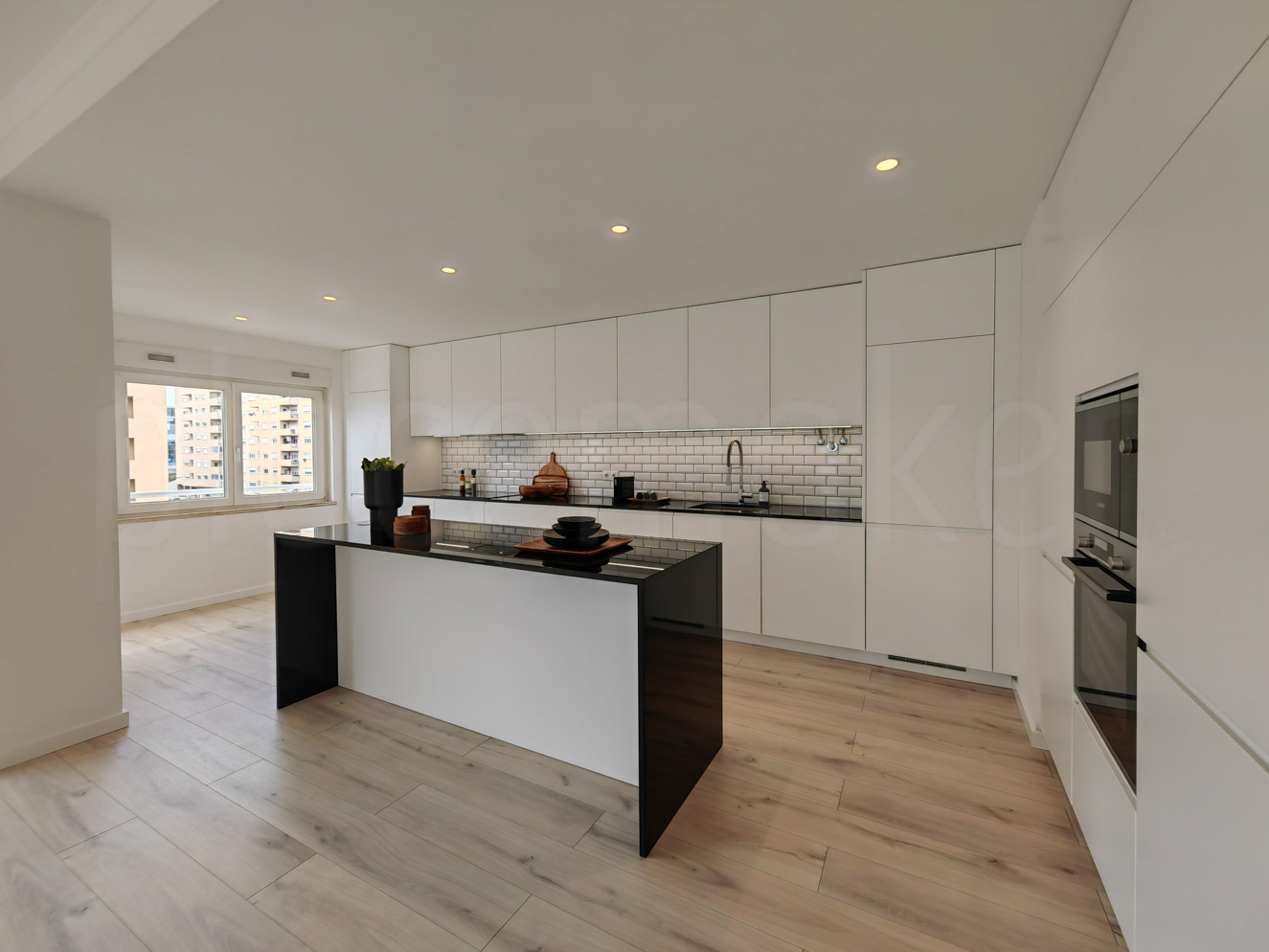
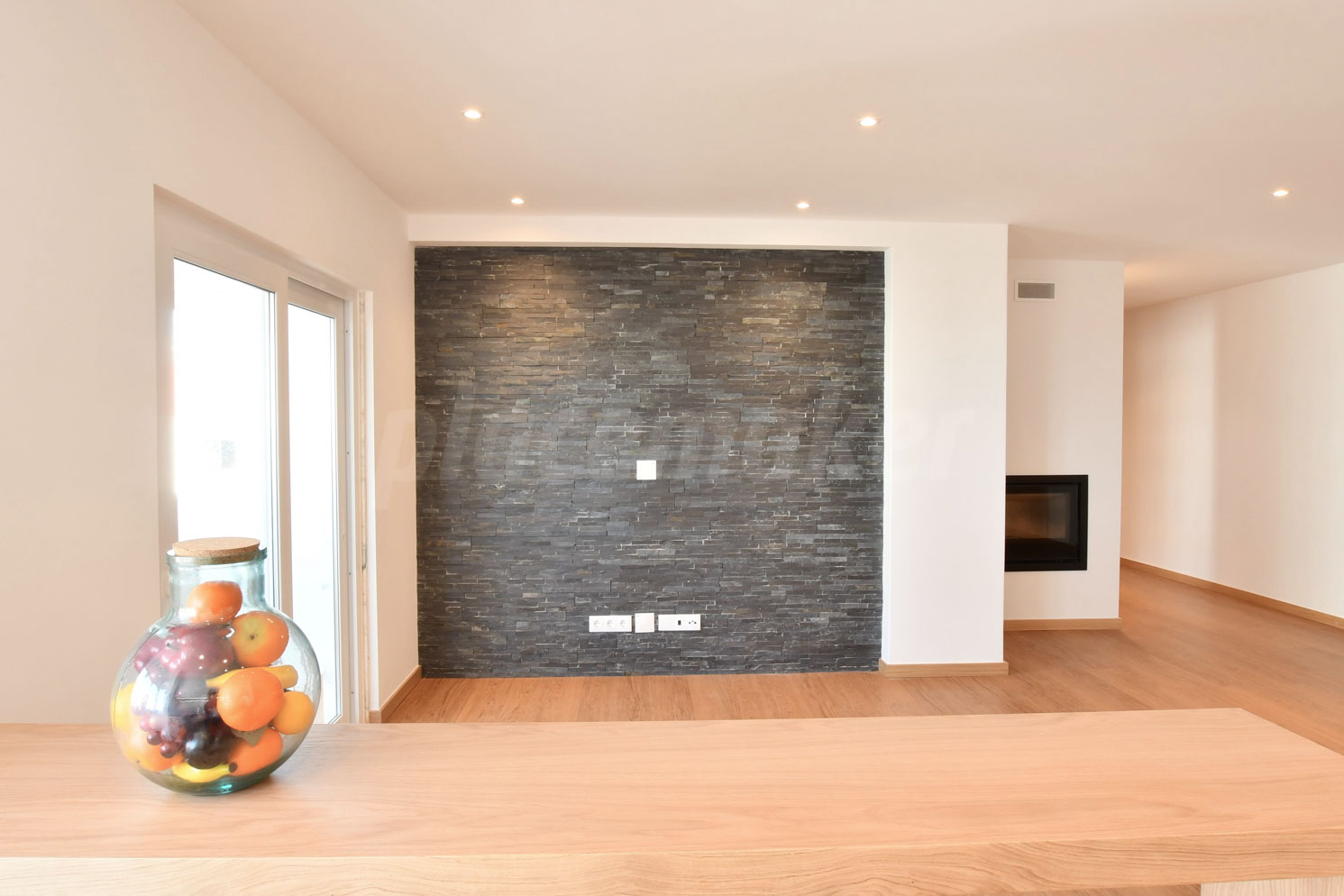
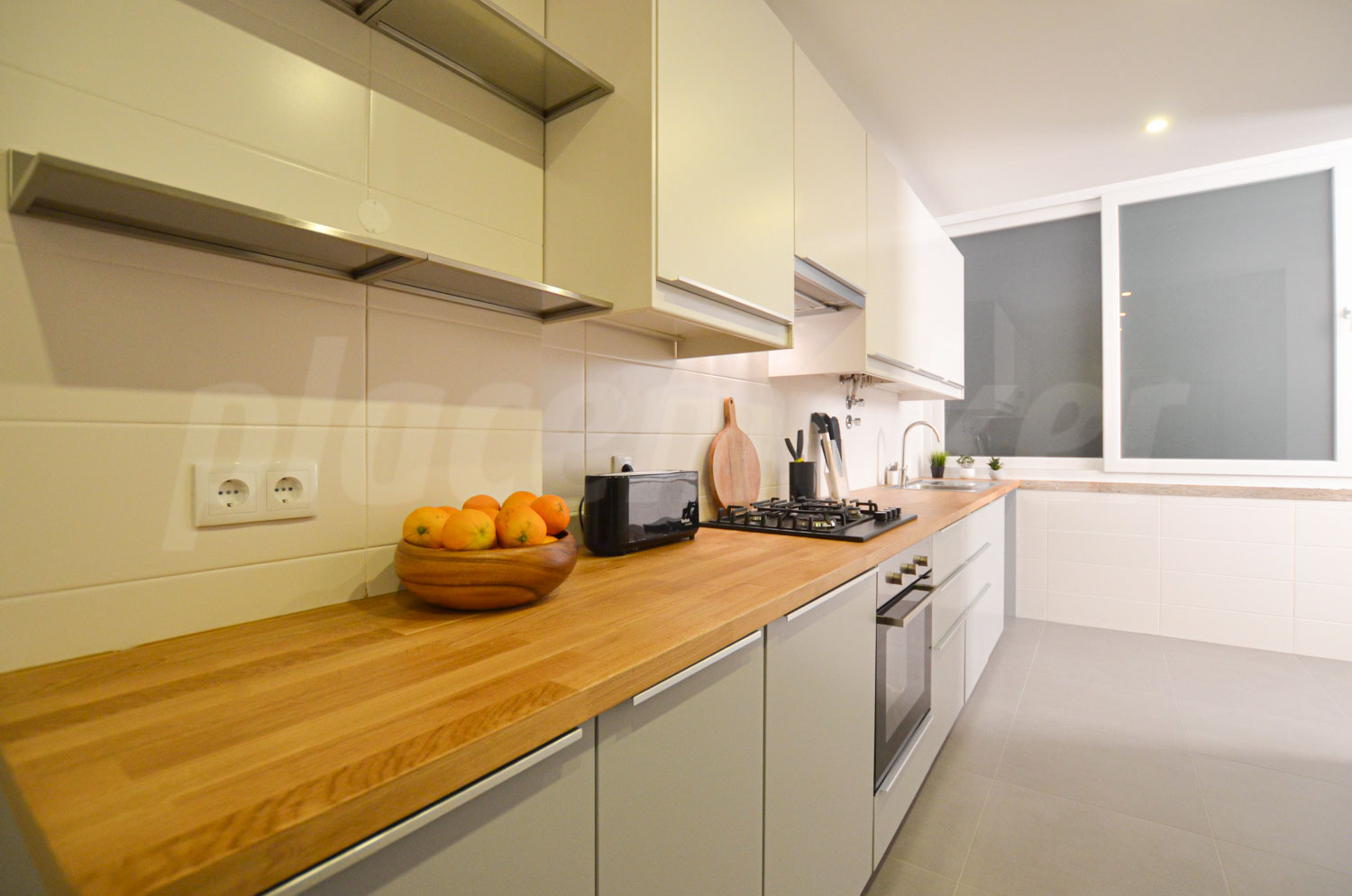
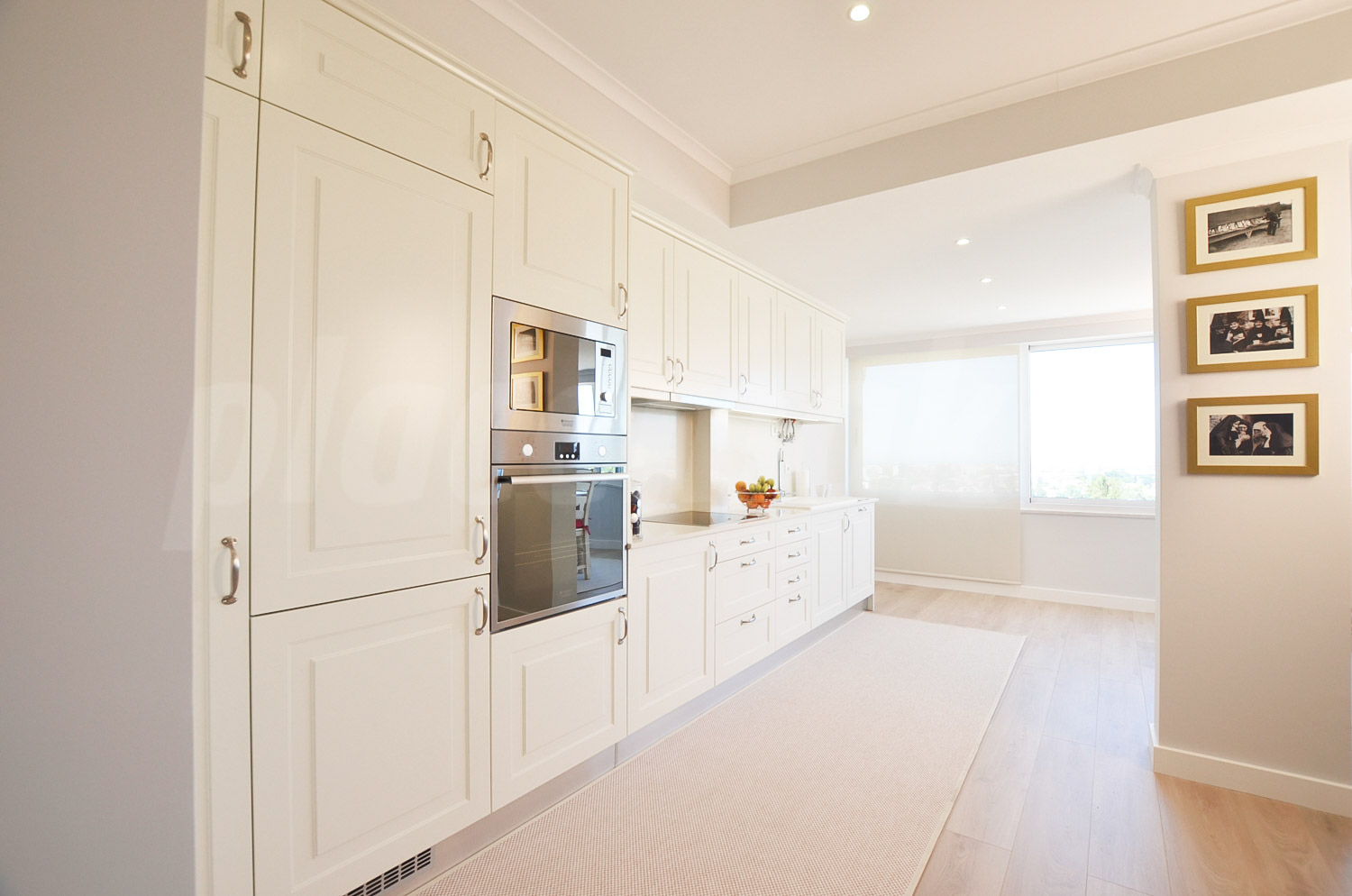
Therefore, we opted to eliminate the partition between the kitchen and the living room, which, in addition to creating a more spacious usable area, allowed us to take full advantage of the natural light that enters through the four window openings distributed there.
Overall, the same goal was achieved through the conscious choice of a light color palette.
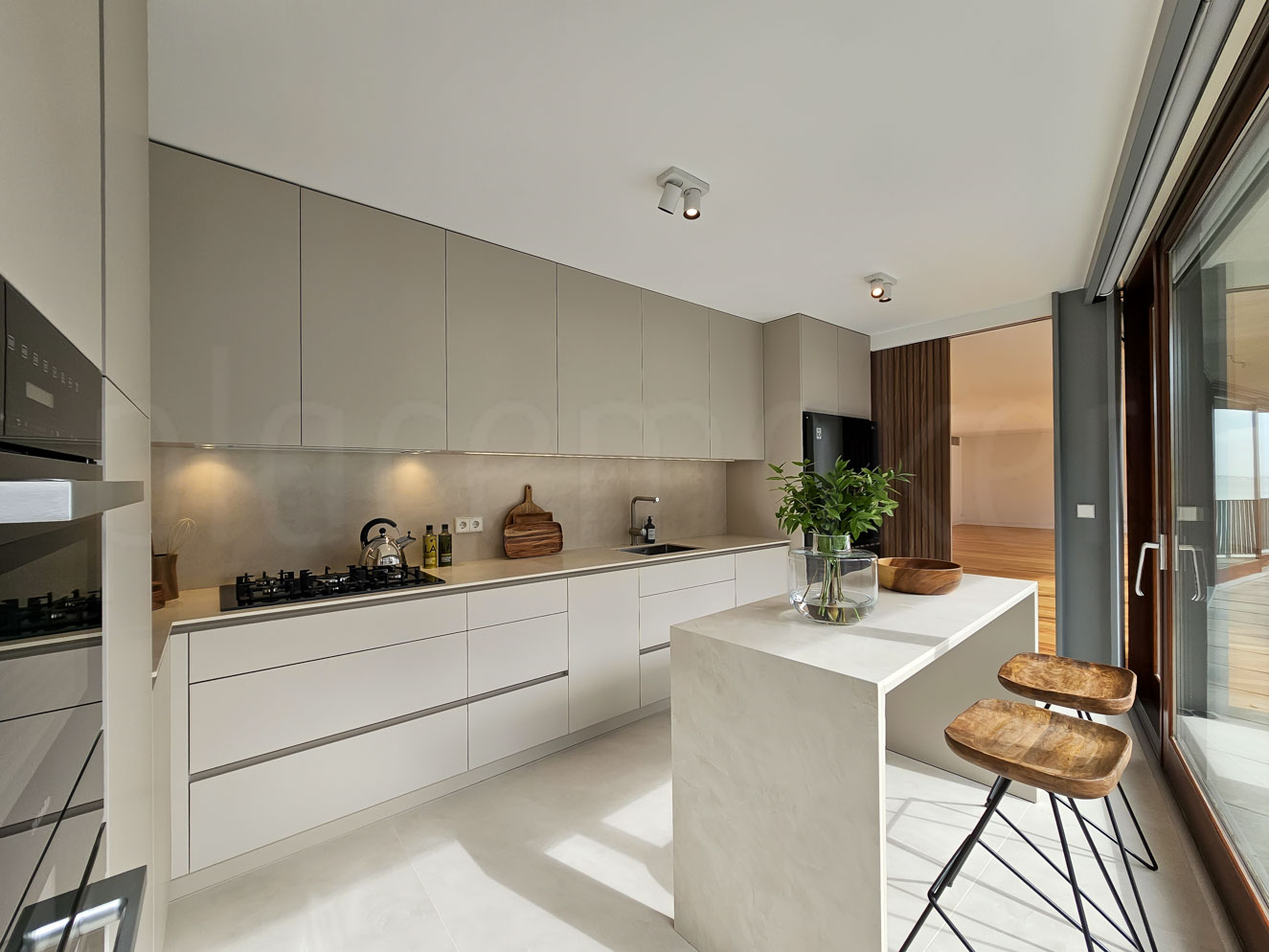
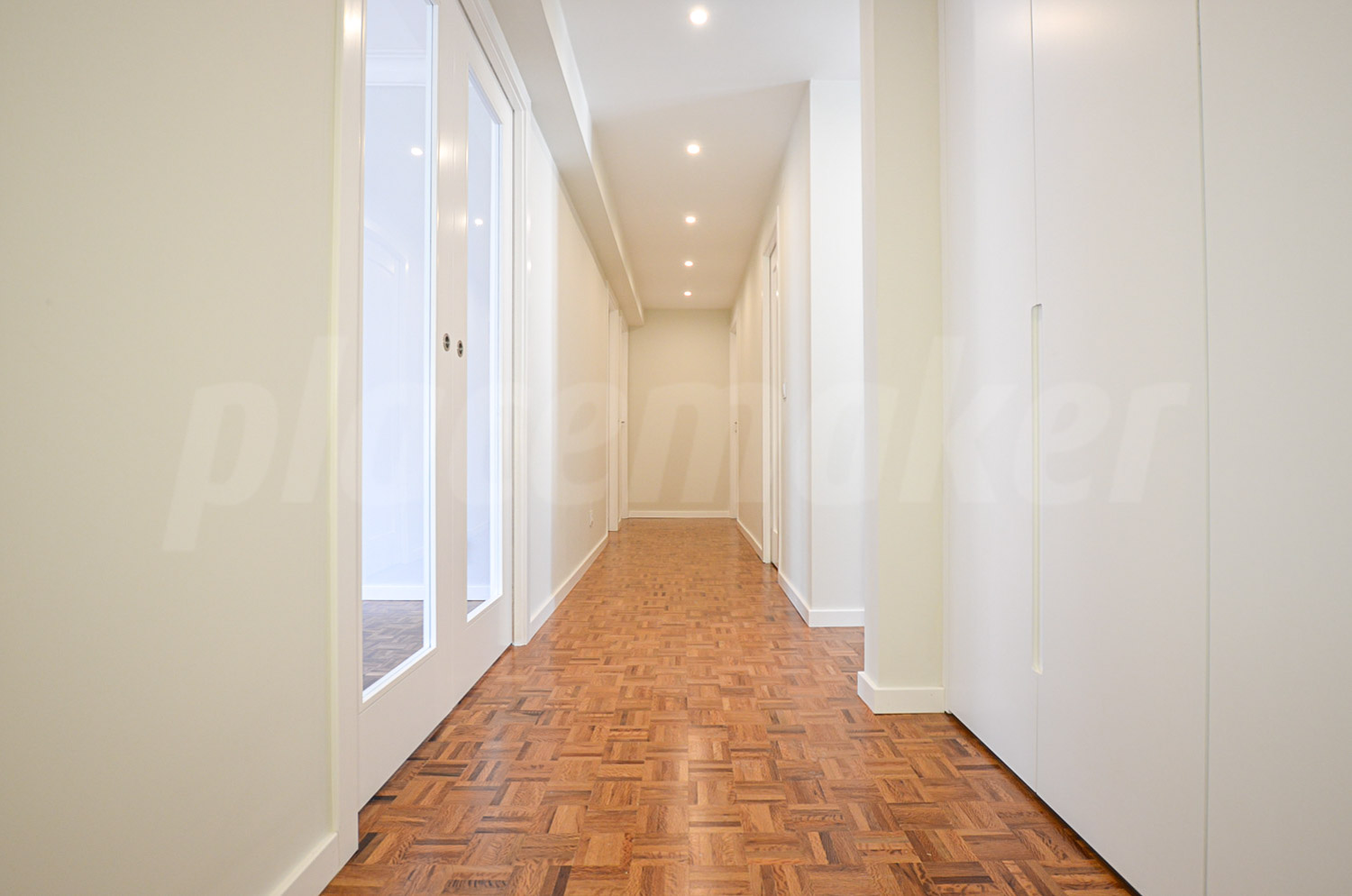
New water, gas, sewage, and air conditioning (pre-installation of air conditioning) networks were also installed, and the electrical network was modified and updated, including the complete replacement of equipment with EFAPEL - LOGUS 90 Series material; a continuous internal plaster (stucco) coating was applied in the kitchen and in the finishing of trench areas; false ceilings were installed in the entrance, sanitary facilities, and kitchen (here, the execution of the false ceiling allowed us to create 2 levels in conjunction with the living room ceiling with 2 different lighting areas).
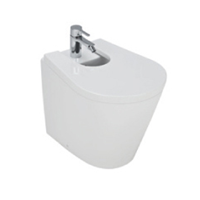
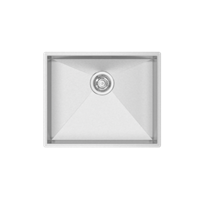
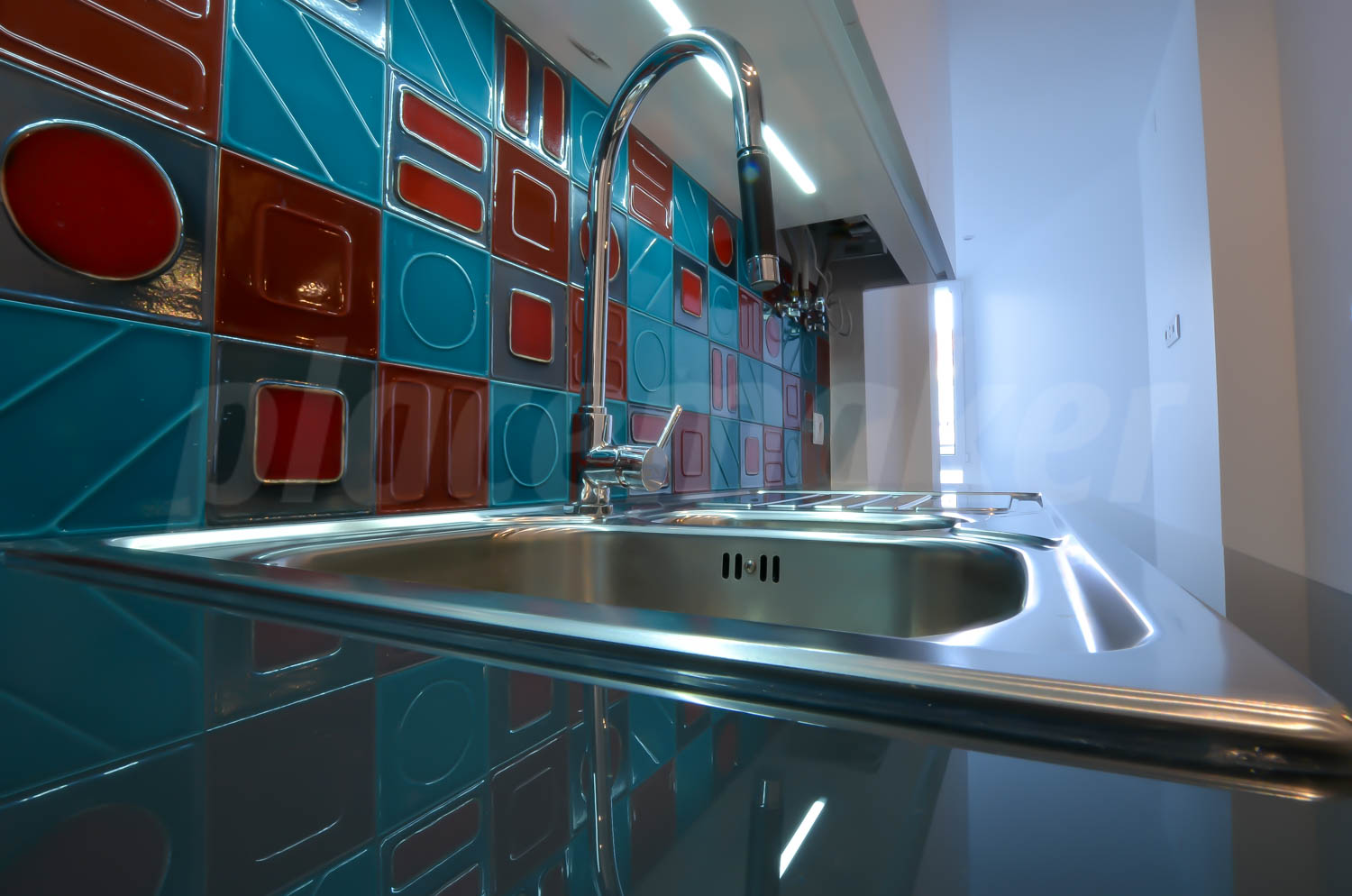
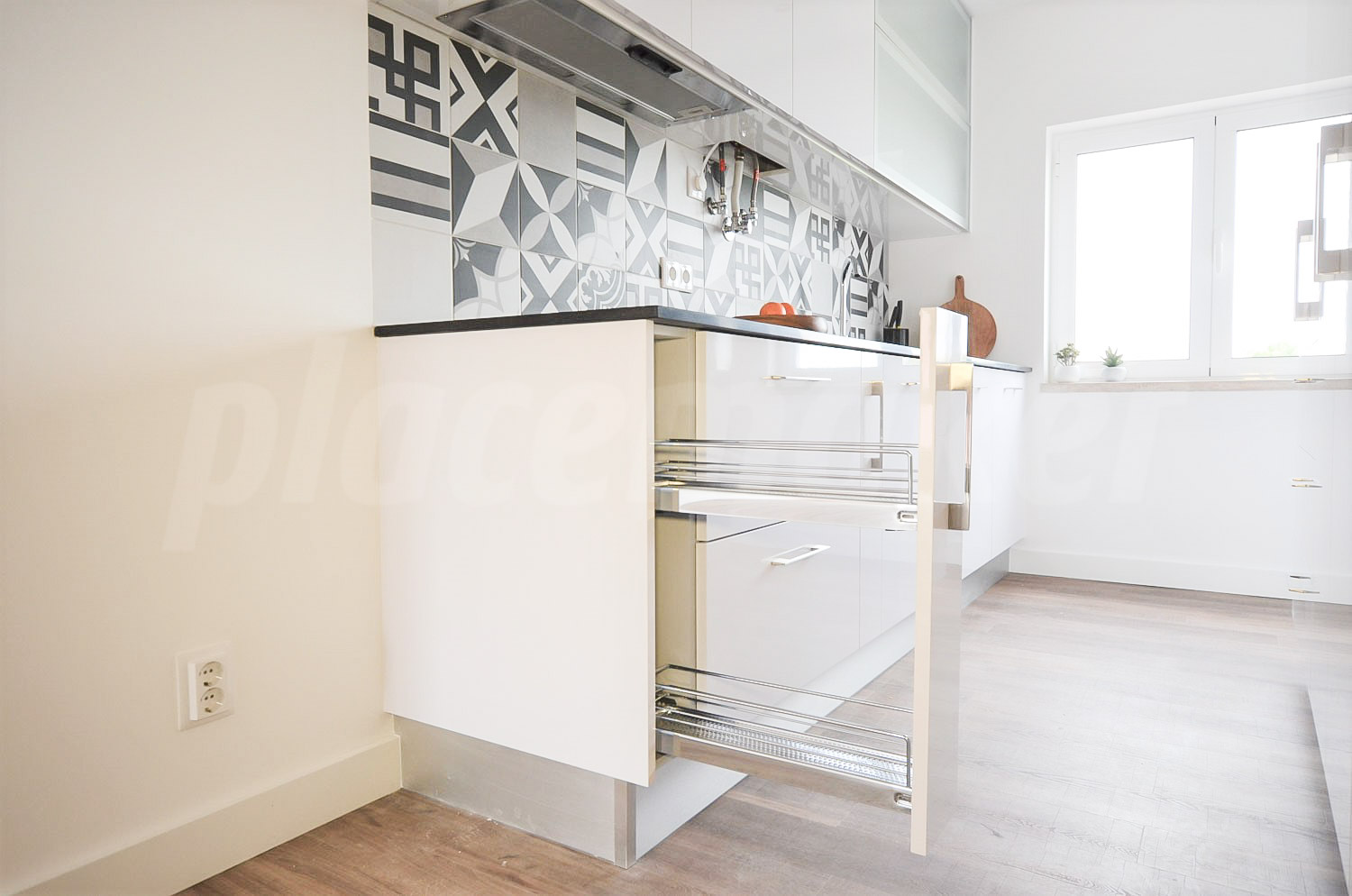
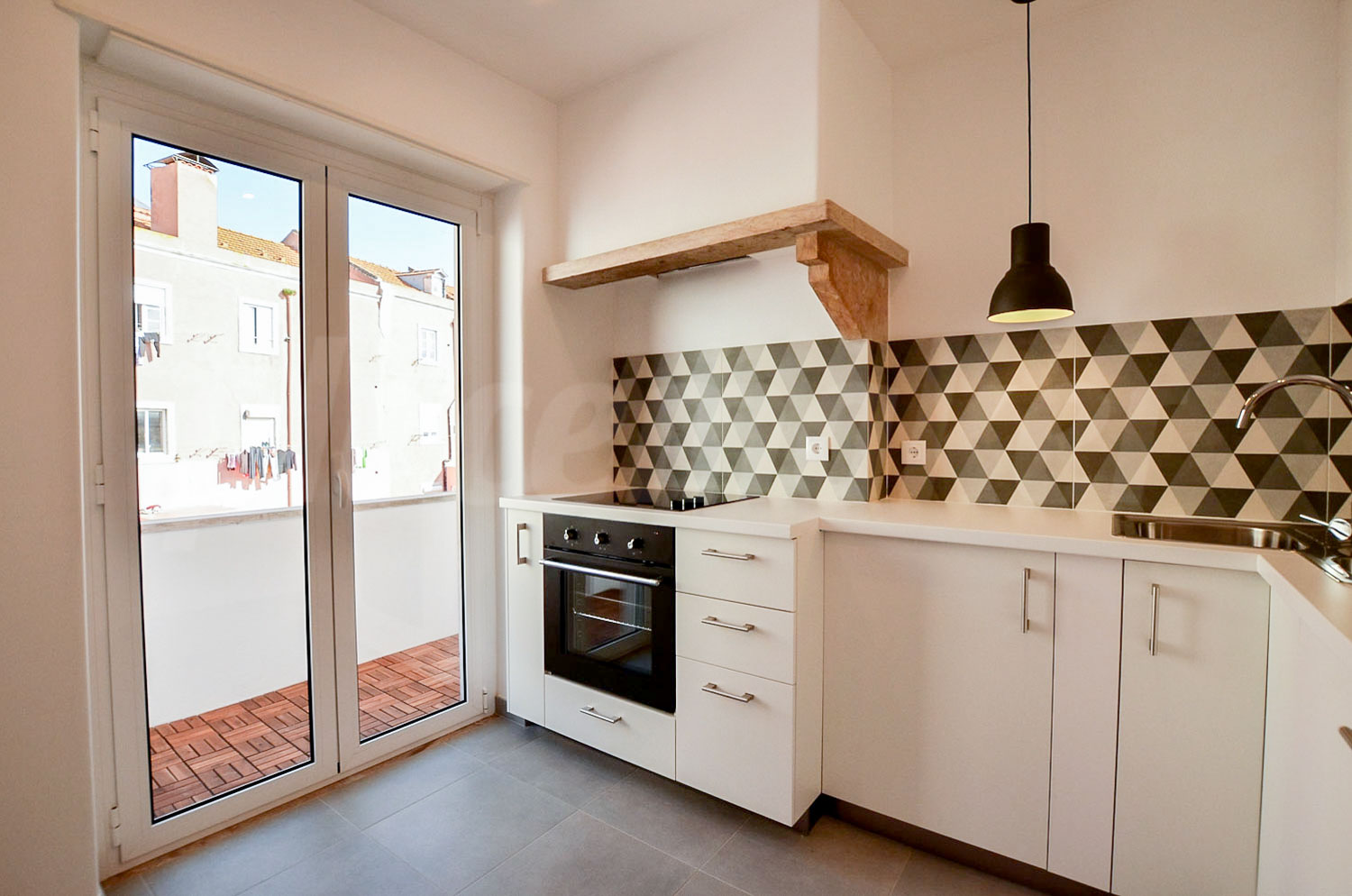
The ceilings in the kitchen and hall, the plasterboard lining in the kitchen and fireplace, the internal openings, cornices, baseboards, various cabinets, sanitary ware and sinks, faucets and countertops were removed, either completely or partially, preparing the work base in order to integrate higher quality finishes.
Interior wooden doors were installed, featuring a straight frame and a matte white lacquer finish.
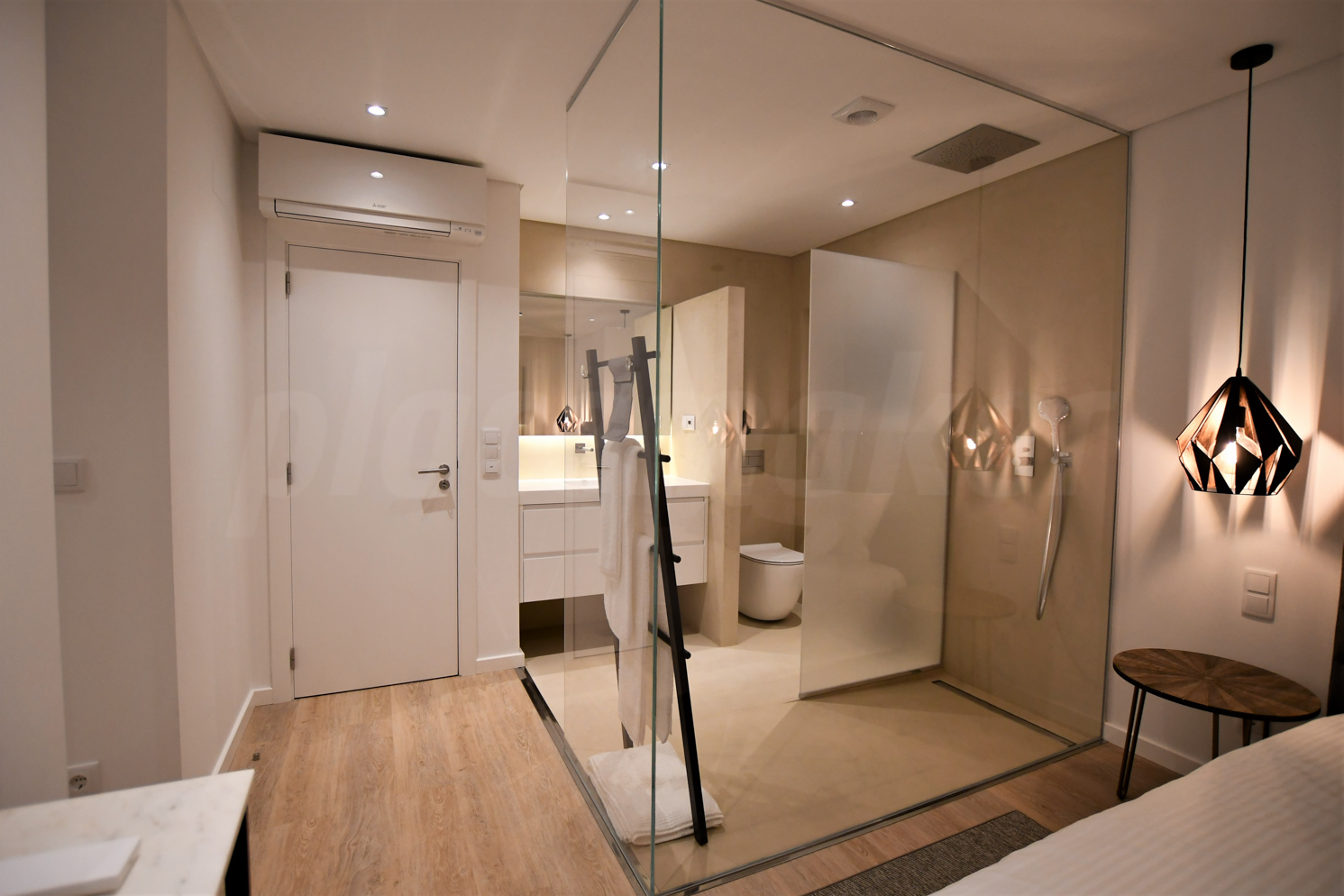
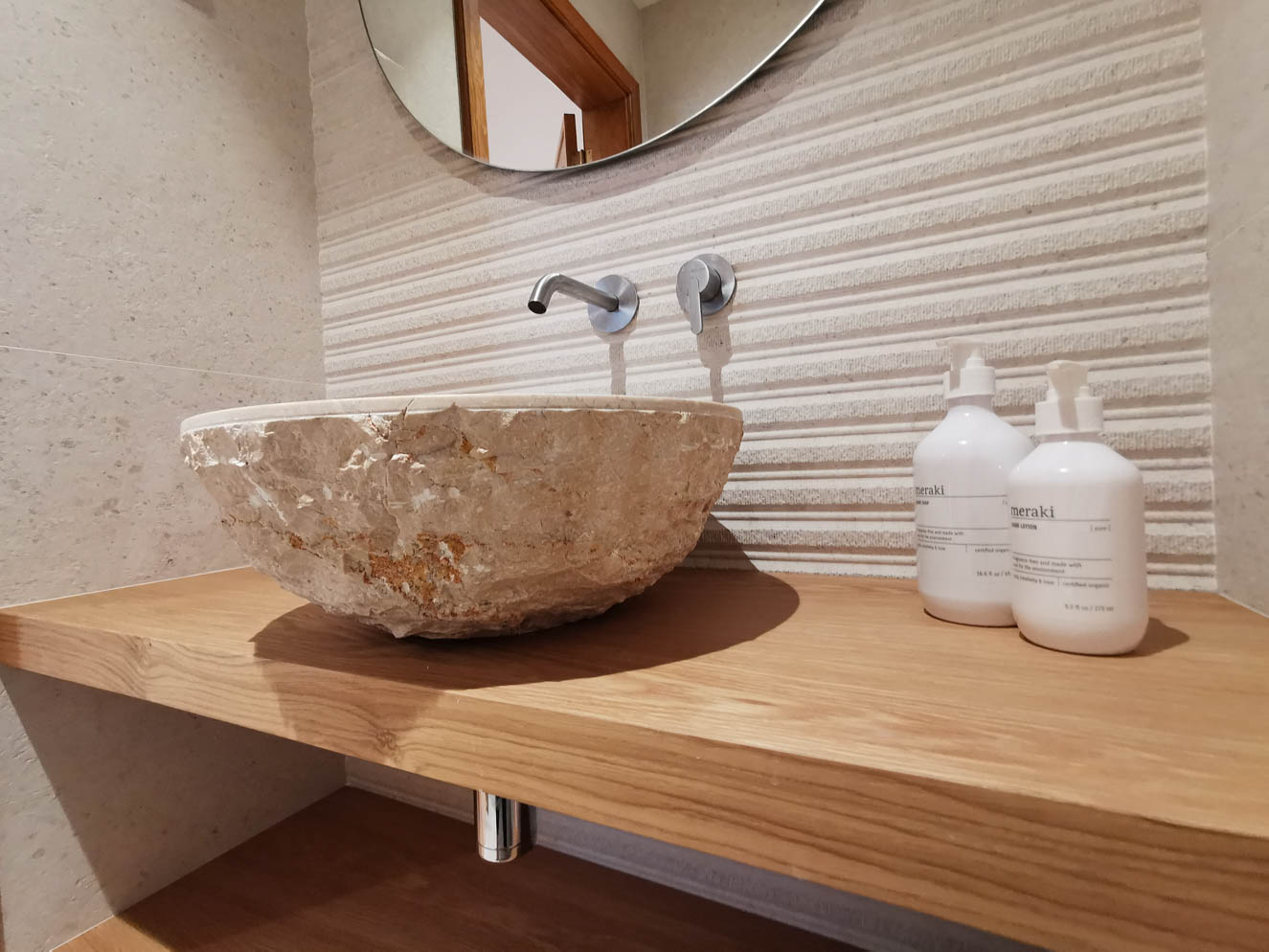
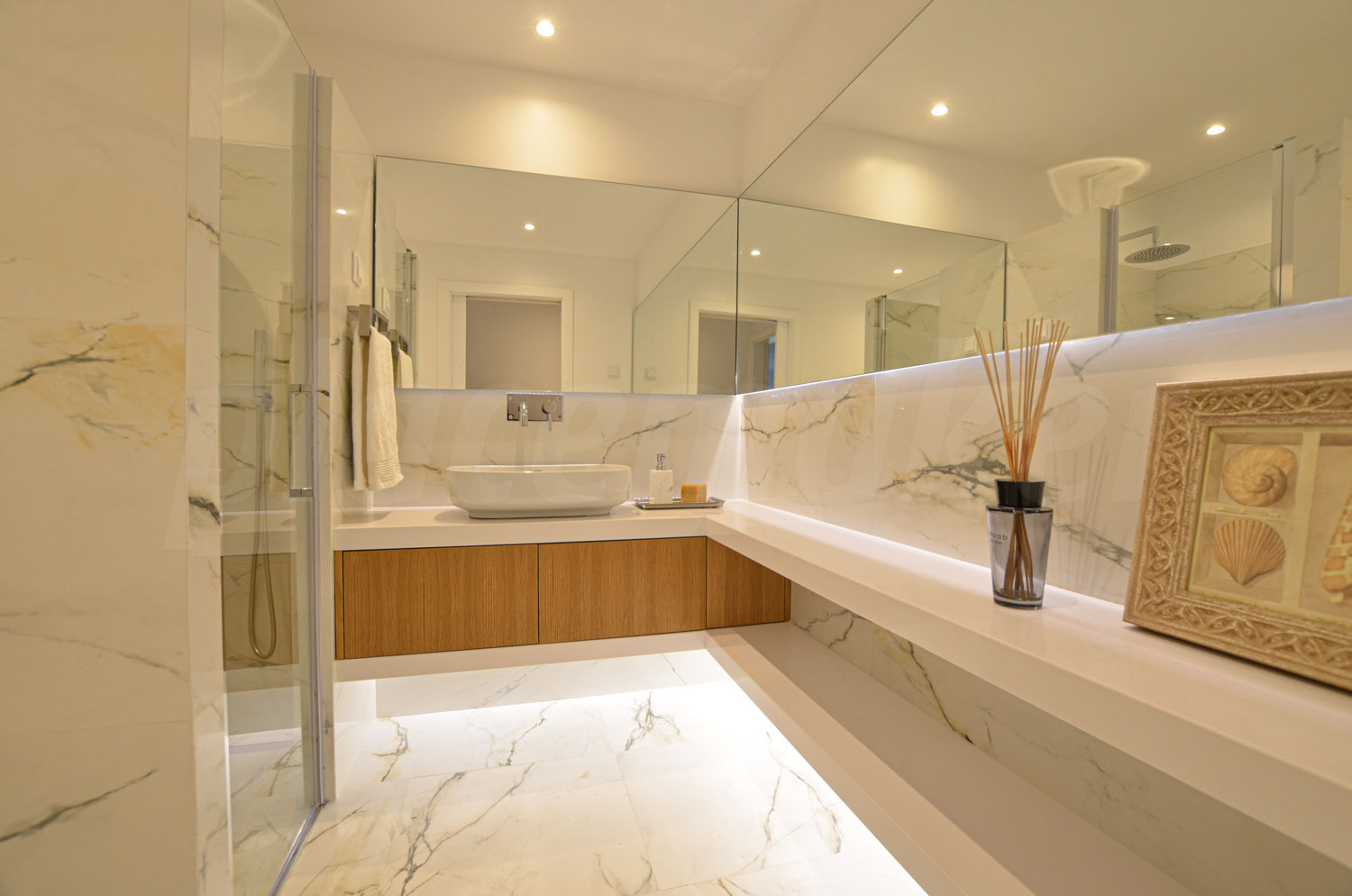
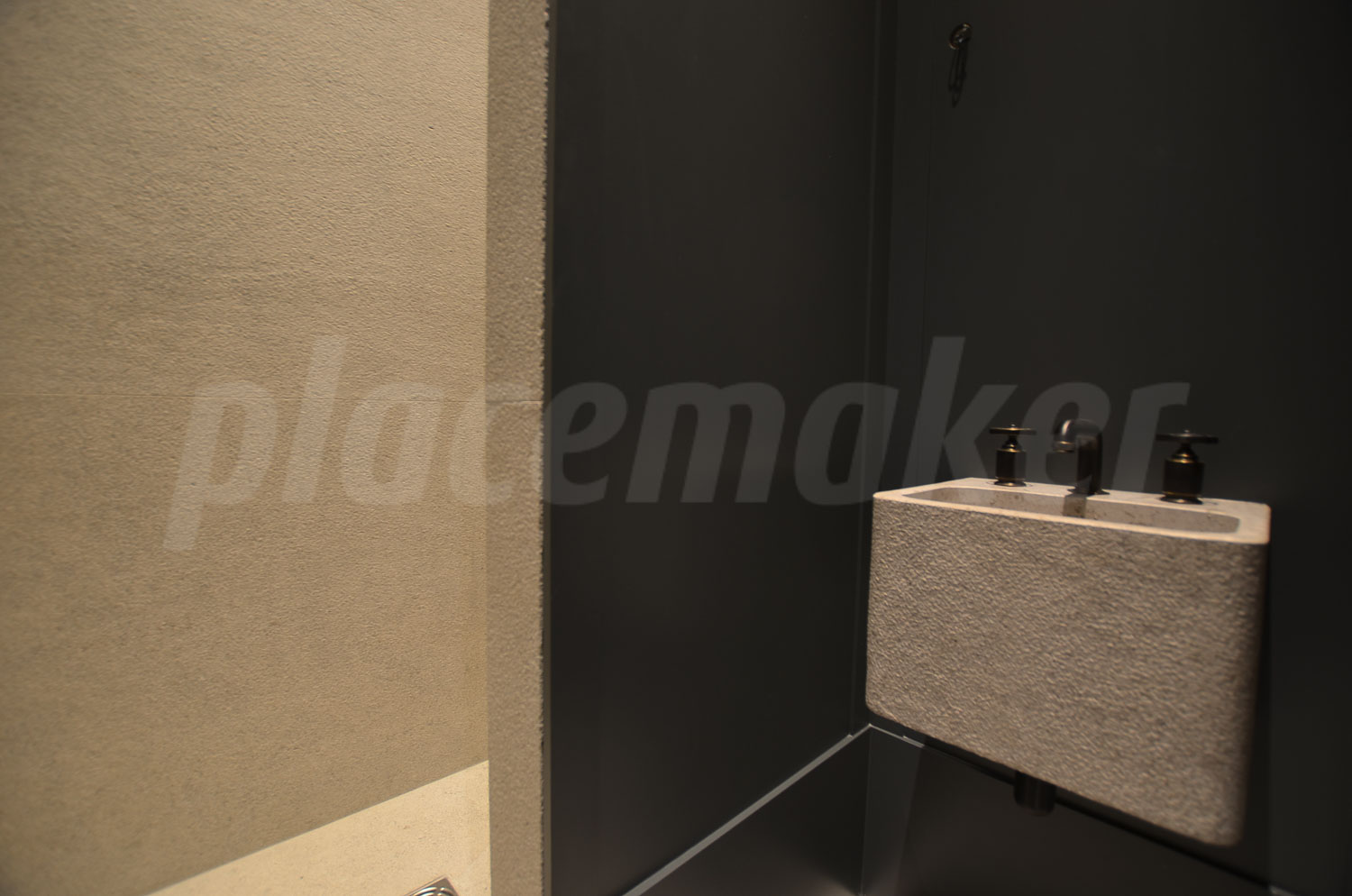
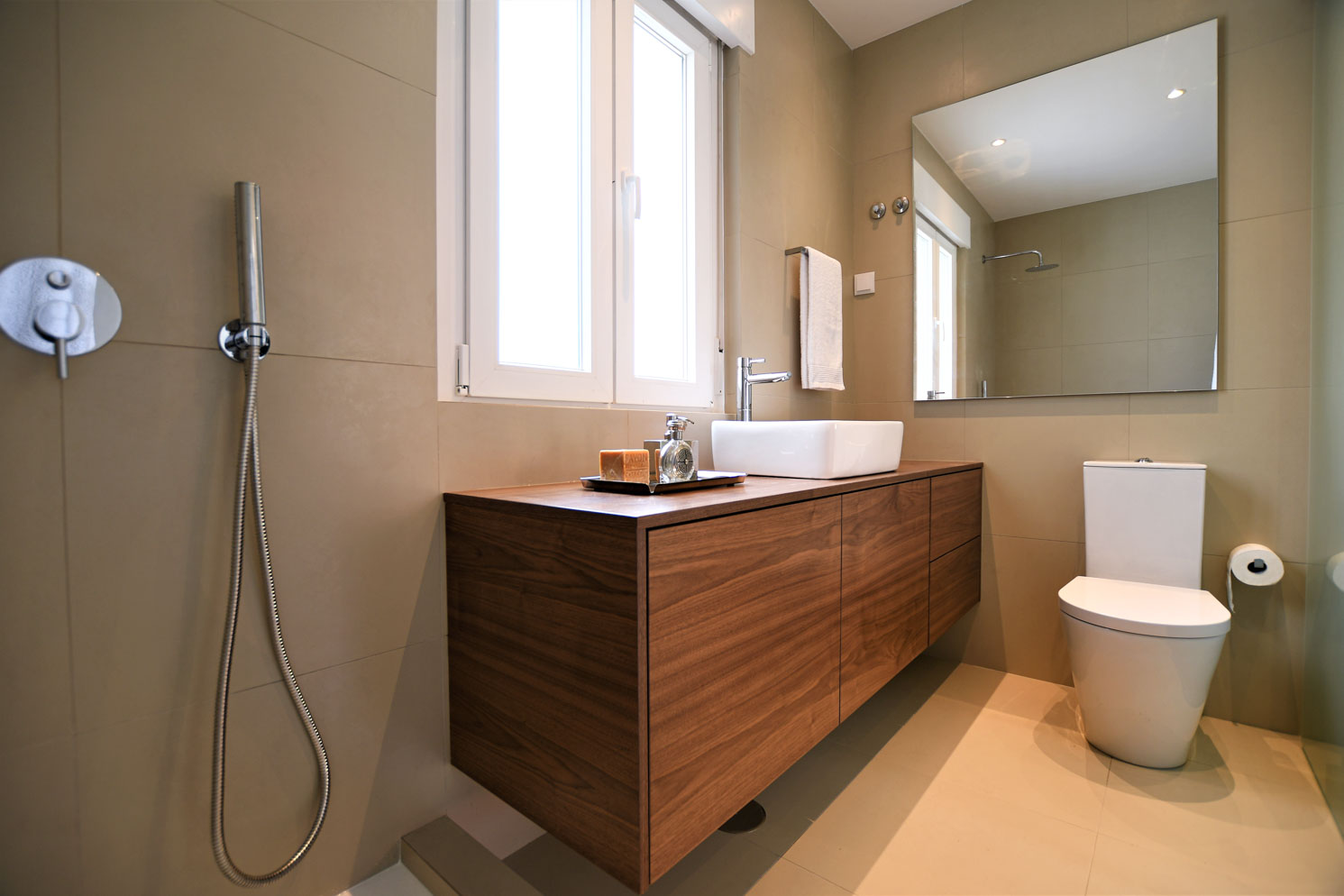
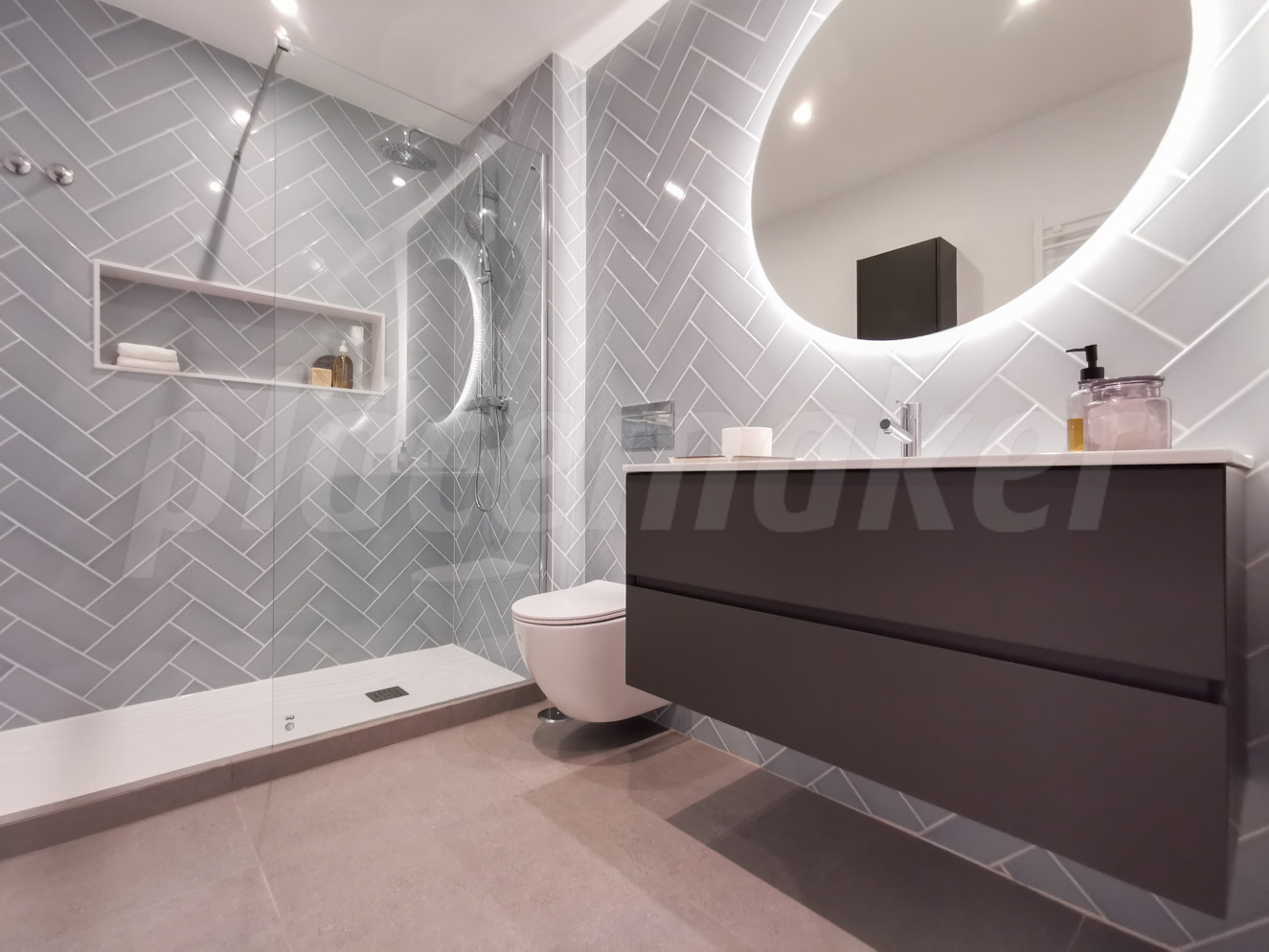
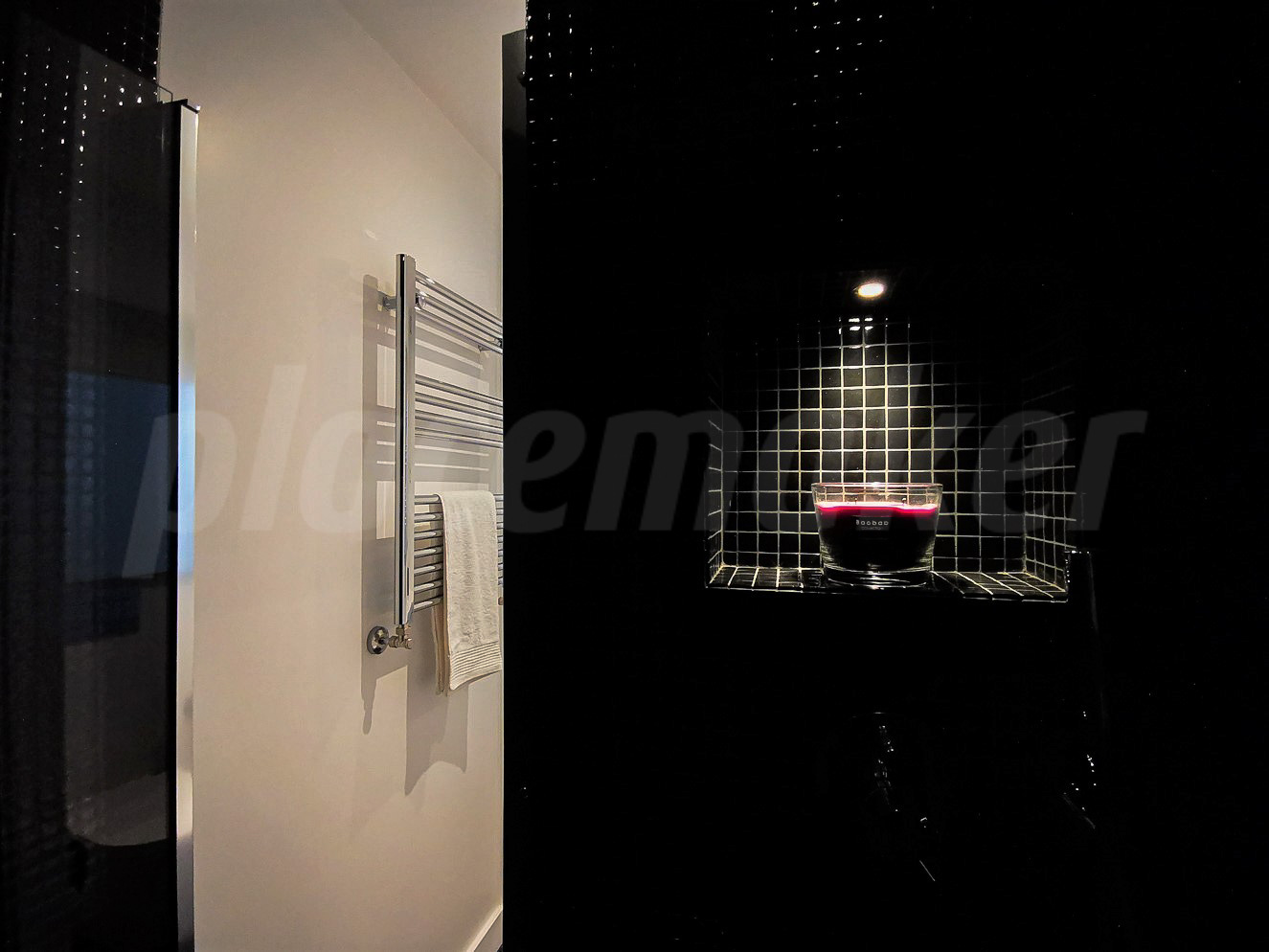
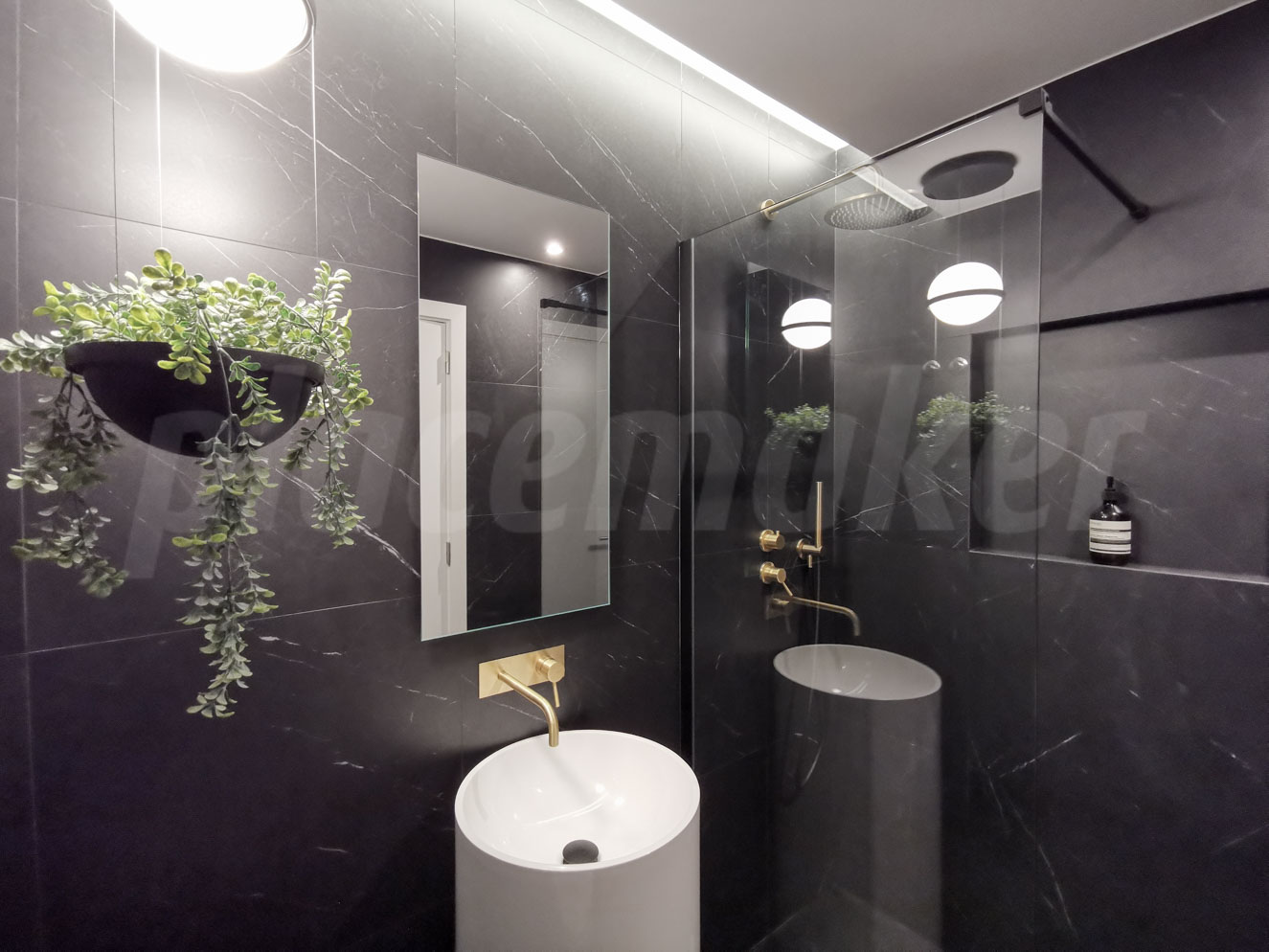
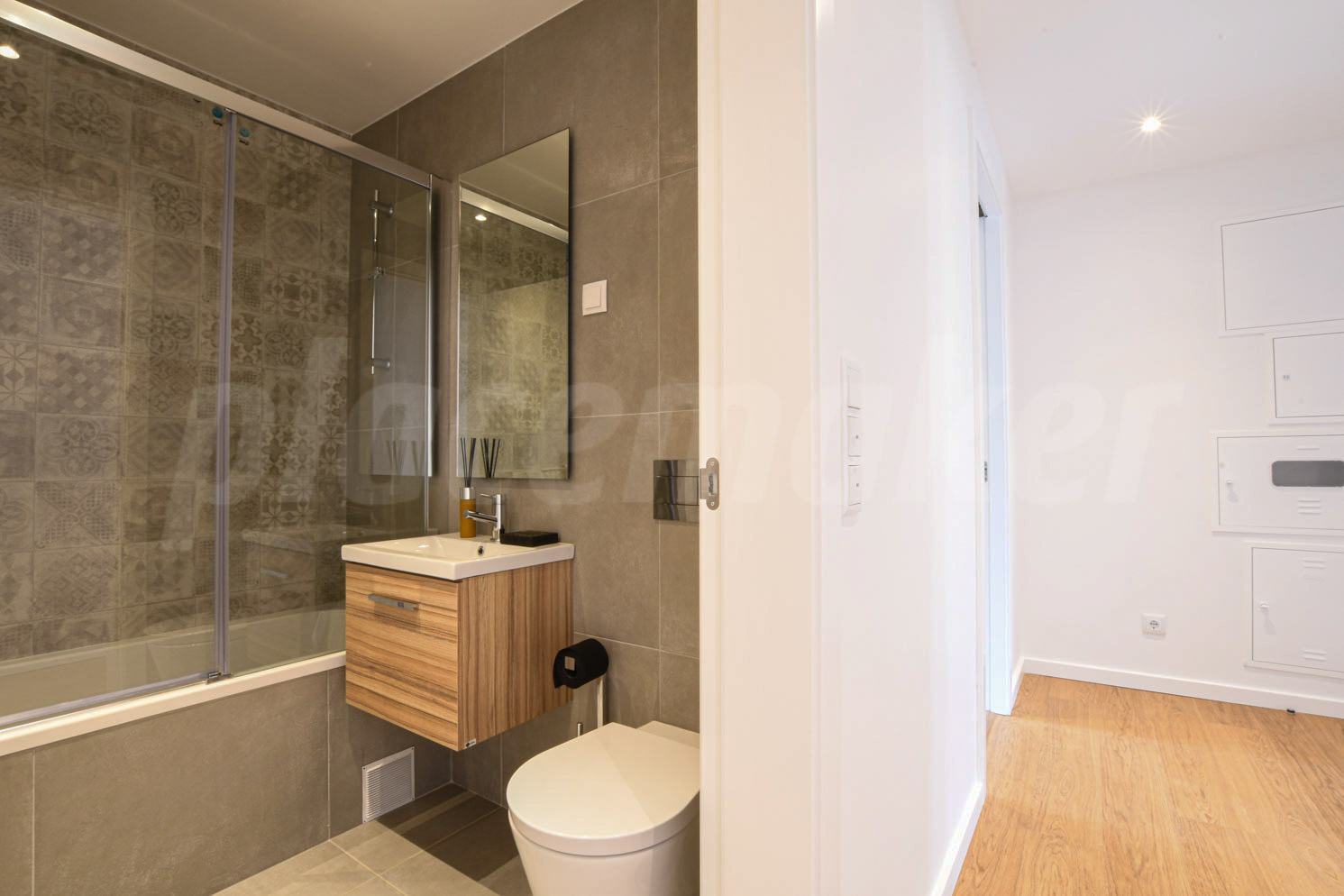
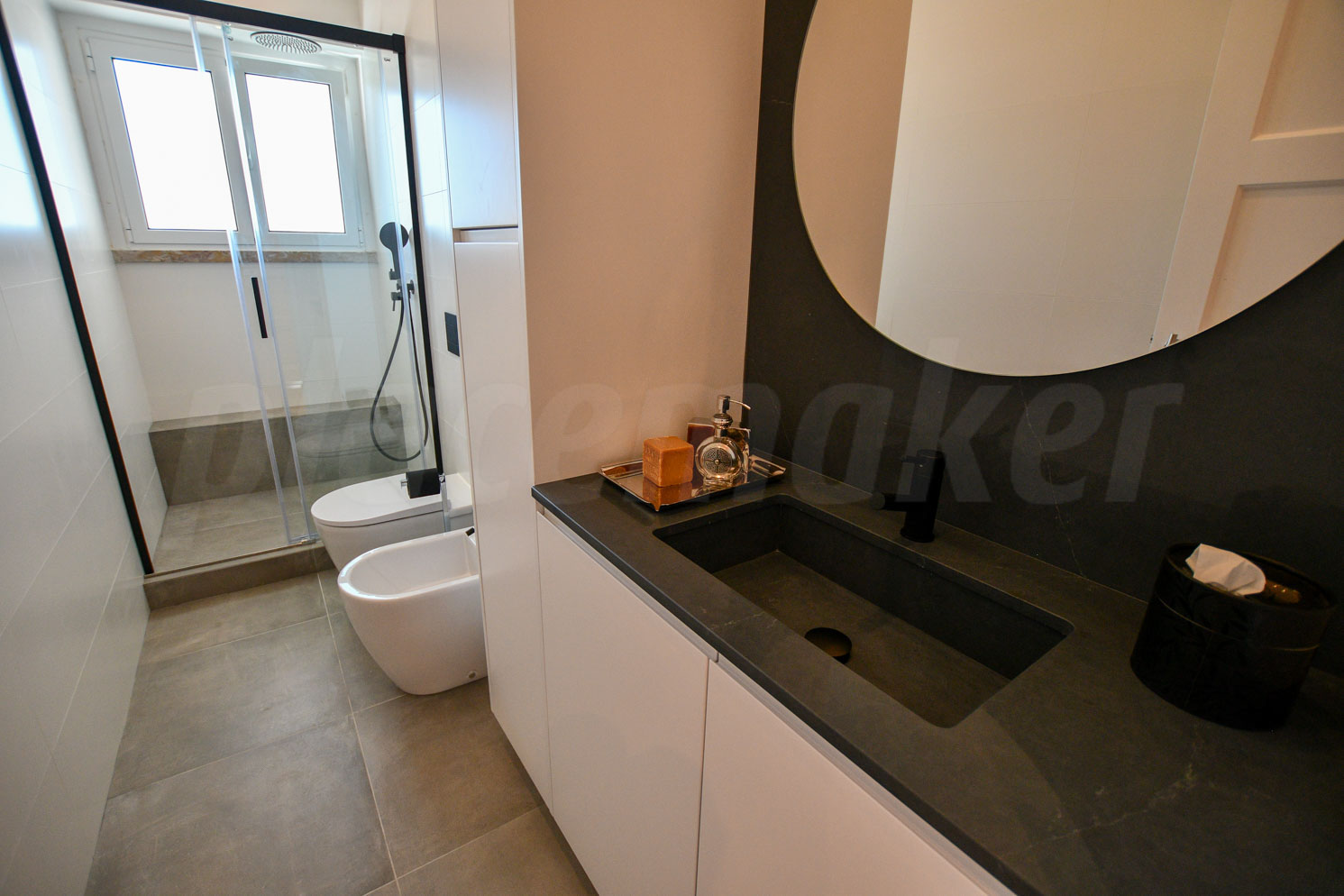
We opted to maintain a single design line for the interior of the restrooms, creating an atmosphere of continuity.
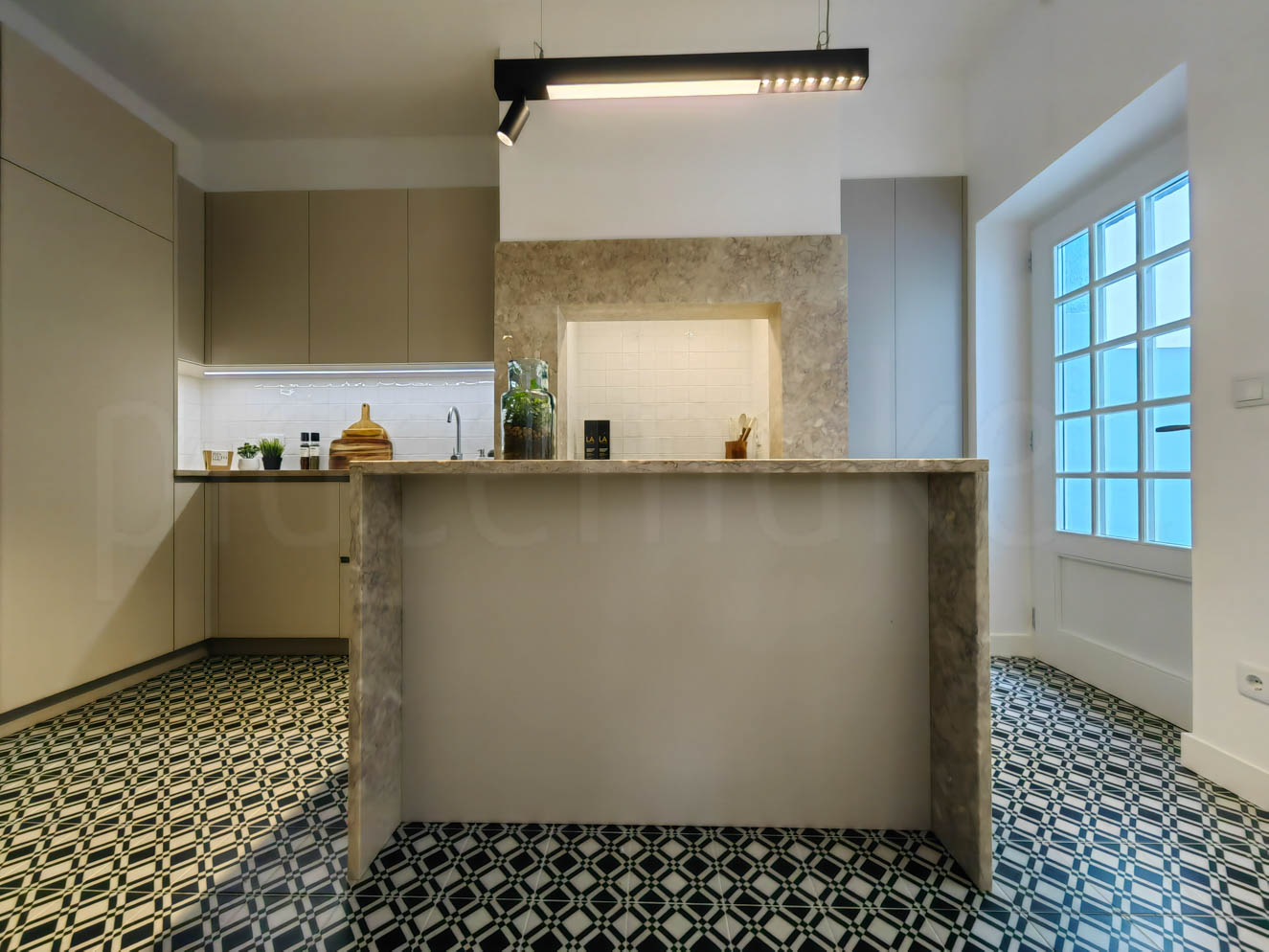
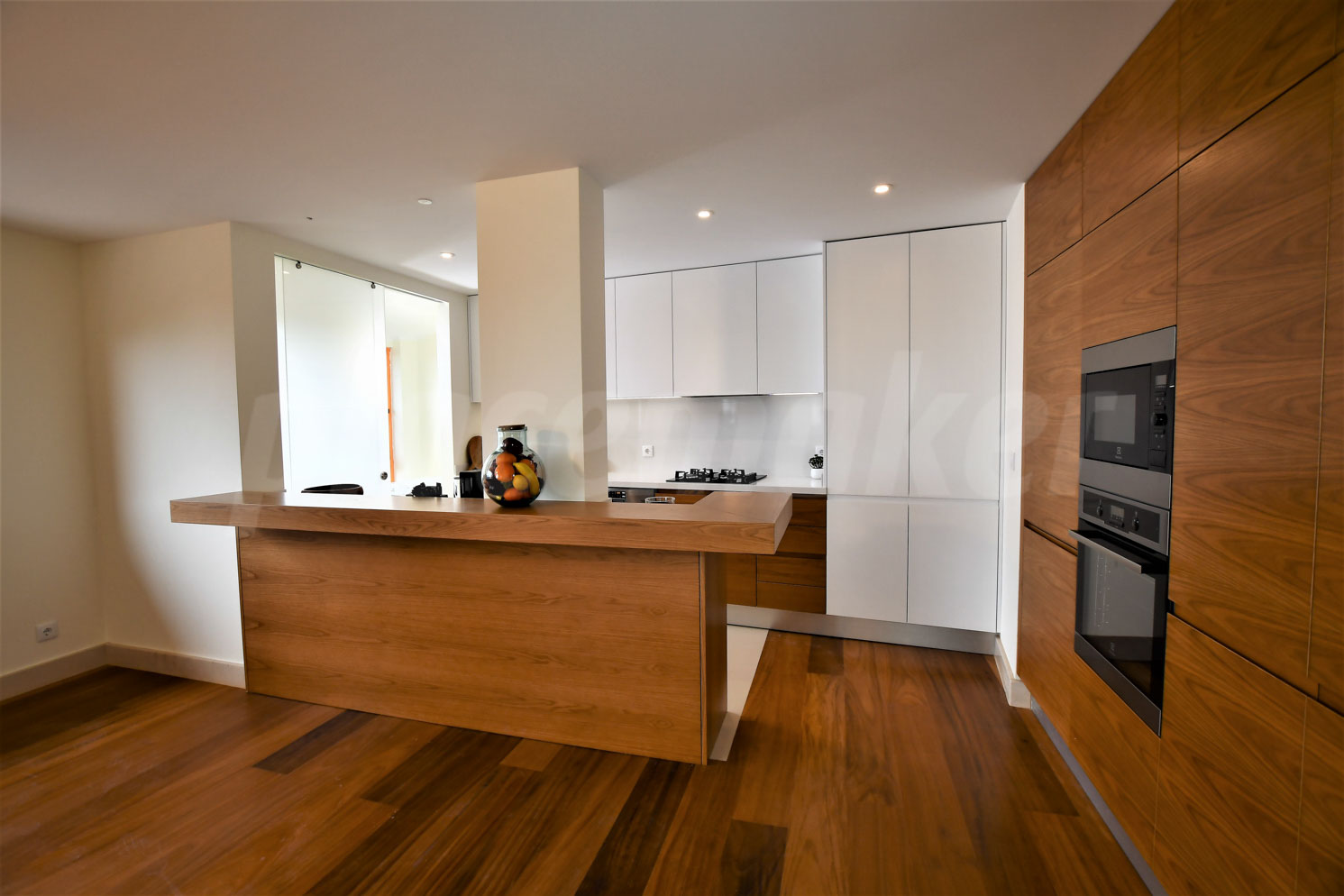
In the kitchen, emphasis was placed on integrating an island dining area, to be used daily, which also serves as a divider from the adjacent living room space.
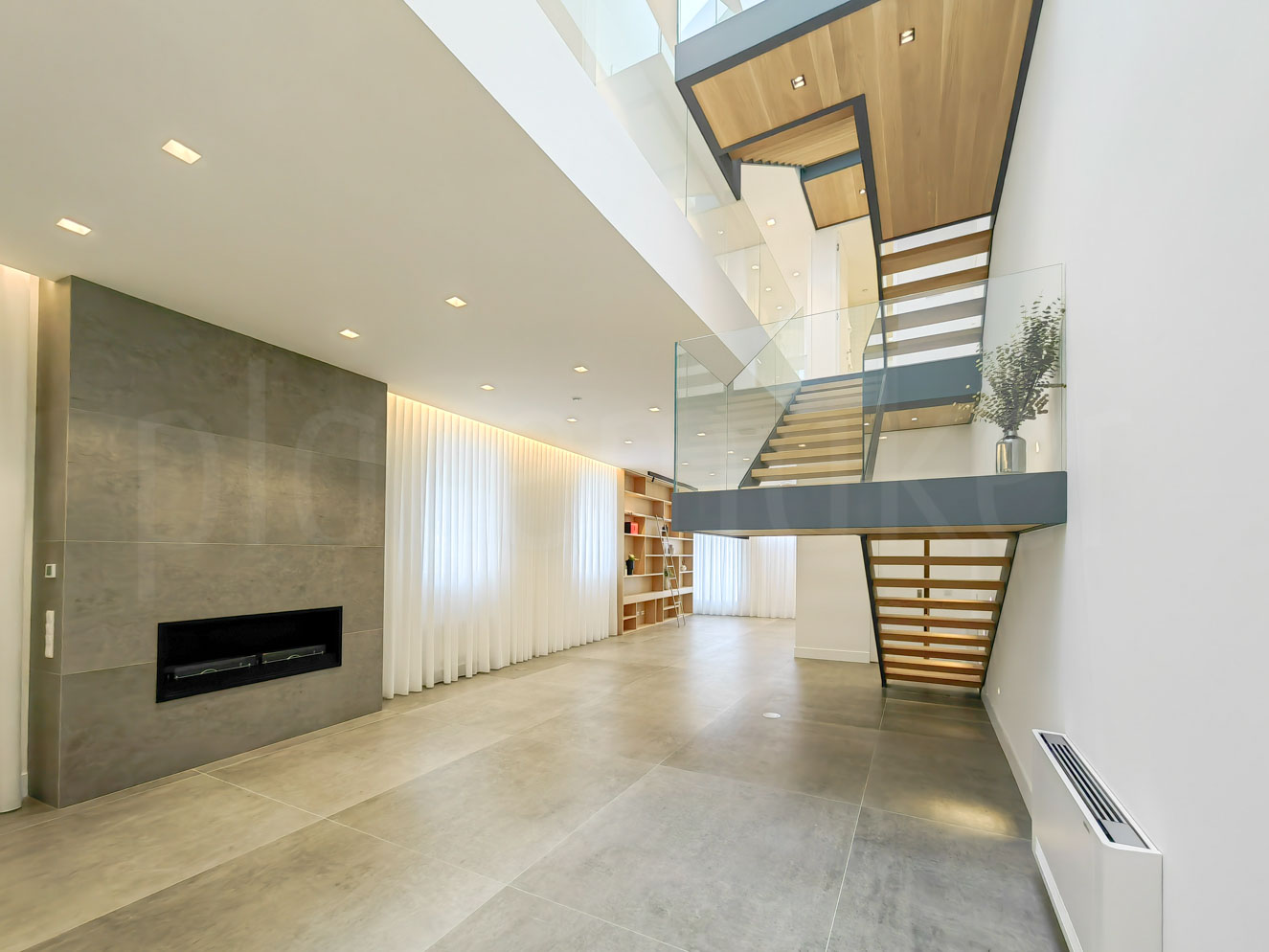
The result of this intervention was the creation of even larger and more fluid common circulation and use spaces.
Other
Projects
 Interior design
 Consultancy
 Planning, direction and execution of work
 Licensing